Have you ever made a promise to a close friend that changed how you lived your days together?
Maybe it was something simple like always having each other’s back, no matter what. That kind of bond brings comfort and direction.
In the Bible, God makes promises like these with His people, but on a much deeper level. These promises are called covenants, and they shape the entire story of Scripture.
When we talk about covenant meaning Bible, we’re looking at how God binds Himself to humanity through solemn agreements filled with grace and commitment. It’s not just a contract with rules.
A covenant in the Bible is a loving relationship where God says, I will be your God, and you will be My people. This idea runs through the pages from the very beginning to the end.
I remember sitting in church as a kid, hearing stories about Noah’s rainbow or Abraham’s journey, and wondering what tied it all together.
It felt big and mysterious. Over time, I saw that these covenants show God’s heart for closeness with us. They point to His faithfulness even when we fall short.
The word appears hundreds of times, but its heart stays the same: God reaching out in love. He invites us into partnership through faith. Whether in the Old Testament stories or the New Testament hope in Jesus, covenants reveal a God who keeps His word.
Let’s explore what the Bible says about covenant meaning Bible.
Biblical Meaning of Covenant
The biblical meaning of covenant starts with its roots in ancient languages. In the Old Testament, the main Hebrew word is berith. Scholars think it comes from an idea of cutting, like cutting animals in a ceremony where people walked between the pieces to say, If I break this promise, let this happen to me. It shows seriousness and binding commitment.
In the New Testament, the Greek word diatheke often means a last will or testament, but when used for God’s promises, it carries the same sense of a one-sided, gracious arrangement from God. He sets the terms out of love, not equal bargaining.
The first clear mention of covenant comes in Genesis 6:18. God tells Noah, But I will establish my covenant with you, and you shall come into the ark, you, your sons, your wife, and your sons’ wives with you. This was before the flood. After the waters went down, God confirmed it with a beautiful sign.
Here is one key verse from Genesis 9:12-13 (ESV): And God said, ‘This is the sign of the covenant that I make between me and you and every living creature that is with you, for all future generations: I have set my bow in the cloud, and it shall be a sign of the covenant between me and the earth.
This Noahic covenant shows God’s promise to preserve life on earth. No more total destruction by flood. It applies to all people and creation. It’s a reminder of grace in a broken world.
Another big one is with Abraham. God called him to leave his home and promised land, descendants, and blessing to all nations. In Genesis 15, God made a covenant while Abraham slept, passing through the animal pieces alone. This showed it depended on God’s faithfulness, not Abraham’s perfection.
Exodus 19:5-6 (NIV) captures the covenant at Sinai with Moses and the people: Now therefore, if you will indeed obey my voice and keep my covenant, you shall be my treasured possession among all peoples, for all the earth is mine; and you shall be to me a kingdom of priests and a holy nation.
This Mosaic covenant included the law, showing how to live as God’s people. It had blessings for obedience and warnings for turning away. But even here, God’s faith and mercy shone through when the people failed. Moses himself interceded, reminding God of His promises.
The spiritual significance of covenant goes beyond rules. It points to relationship and transformation. God wanted His people to know Him intimately. Yet the old covenants highlighted human weakness. People broke their part again and again.
That’s why the prophets spoke of a coming new covenant. Jeremiah 31:33 (ESV) says, For this is the covenant that I will make with the house of Israel after those days, declares the Lord: I will put my law within them, and I will write it on their hearts. And I will be their God, and they shall be my people.
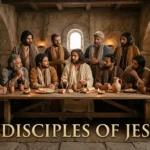
This new covenant finds fulfillment in Jesus. At the Last Supper, He said the cup was the new covenant in His blood. His death and resurrection made a way for forgiveness and the Holy Spirit to live in us. No more stone tablets: now hearts changed by grace.
Connect this to Moses. He stood as mediator for the old covenant. He brought the people out of Egypt, received the law, and pleaded for them when they worshiped the golden calf. His life shows the weight of covenant responsibility and the need for a better mediator: Jesus.
David also received a covenant promise. God said his throne would last forever, pointing ahead to the Messiah, the eternal King from David’s line.
Covenants carry positive meaning: security, belonging, purpose. God commits to bless, guide, and redeem. But there is a warning side too. Breaking covenant brings consequences, not because God is harsh, but because sin damages relationship. Still, even in warning, God offers restoration through repentance and prayer.
The biblical meaning of covenant ultimately leads to transformation. It changes how we see God: not distant, but near. It calls us to respond with faith and obedience out of love, not fear. Through the Holy Spirit, we live in the reality of the new covenant today. We are adopted into God’s family, heirs of His promises.
Think about your own life. When you feel unsure, remember these covenants show a God who initiates and keeps promises across generations. He uses ordinary people like Noah, Abraham, Moses, and David to unfold His plan. Their stories remind us that covenant isn’t about earning love: it’s receiving it and walking in it daily.
This foundation of covenant runs like a thread through Scripture. It ties creation to redemption. Every rainbow, every Passover meal, every Communion table echoes it. Understanding covenant in scripture helps us trust God’s character more deeply. He is faithful. He remembers. And He invites us to live as people of the covenant, marked by His love and empowered for good.
The deeper meaning brings hope. In a world of broken agreements, God’s covenants stand firm. They call us to prayer, reflection, and a life marked by His grace. As we study them, we see our story woven into His bigger story of rescue and relationship. (Word count for this section approx. 580)
Quick Reference Table
| Covenant | Key Figure | Main Promise | Key Verse | Sign |
| Noahic | Noah | Preservation of life, no more flood | Genesis 9:11-13 | Rainbow |
| Abrahamic | Abraham | Land, descendants, blessing to nations | Genesis 15:18 | Circumcision (later) |
| Mosaic | Moses | Law, treasured possession | Exodus 19:5-6 | Ark of the Covenant |
| Davidic | David | Eternal throne/kingdom | 2 Samuel 7:12-16 | Throne of Israel |
| New | Jesus | Forgiveness, new heart, Holy Spirit | Jeremiah 31:33 / Luke 22:20 | Lord’s Supper / Baptism |
Dream & Real Life Meaning
Seeing a covenant in dreams can carry different weights. A peaceful dream of signing an agreement or standing under a rainbow might point to God’s assurance of His promises in your life. It could feel like a divine message of security and belonging, encouraging you to trust His faithfulness during hard times. On the other hand, an urgent or troubling dream about broken covenants or unknown agreements might signal a need to examine areas where you feel bound or need to seek freedom through prayer.
In real life, the covenant meaning Bible shows up as steady commitment. Maybe you sense God calling you to deeper obedience or renewed faith. It could appear as answered prayer after waiting, or a sudden peace that reminds you of His presence. These experiences invite testing. Does it align with Scripture? Does it produce fruit like love, joy, and holiness? The Holy Spirit guides us gently, never forcing.
To test if an experience is from God, hold it up to the Bible. Talk to trusted believers. Notice if it leads to greater transformation and closeness with Jesus. Keep a journal of prayers, dreams, and how God moves. Over time, patterns emerge that build confidence in His voice.
Remember, God speaks through His Word most clearly. Dreams or feelings serve as invitations to seek Him more. Approach with an open heart, ready for the spiritual significance of covenant to shape your daily walk. (Approx. 230 words)
Faith Takeaways
- Pray for a deeper understanding of God’s covenants and how they apply to your life today.
- Trust in His unchanging promises even when circumstances feel uncertain.
- Reflect on times God has shown faithfulness in your story.
- Seek the Holy Spirit’s help to live out covenant relationship with obedience and love.
- Remember that the new covenant in Jesus offers fresh starts and lasting grace.
FAQs
What is the covenant meaning Bible?
The covenant meaning Bible refers to God’s binding promises that create relationship with His people. It’s more than rules: it’s a loving bond where He commits to us and calls us to respond in faith. From Noah to Jesus, these covenants show His plan to rescue and restore.
How does the first covenant appear in Scripture?
It shows up with Noah in Genesis. God promised to save him and establish a covenant preserving life. This sets the tone for later promises, highlighting God’s initiative and care for creation.
What is the spiritual significance of covenant in the New Testament?
The new covenant through Jesus brings forgiveness and a changed heart. The law moves inside us by the Holy Spirit. It means we belong to God not by our strength but by His grace. Communion reminds us of this every time we take the bread and cup.
Can covenants in the Bible have warning meanings?
Yes. While full of hope, they warn that turning from God brings distance and consequences. But they always leave room for return. God’s mercy shines brightest against our failures.
How do I apply covenant meaning Bible to daily life?
Start with prayer and reading Scripture. Live as someone loved and chosen. Forgive others, seek holiness, and trust His promises in tough seasons. Let it shape your relationships and decisions.
What role does Jesus play in biblical covenants?
Jesus fulfills the old and establishes the new. His blood seals the ultimate promise of eternal life and closeness with God. Through Him, all God’s covenants find their yes.
How can I know if I’m living in God’s covenant?
Look for the fruit of the Spirit, desire to obey out of love, and peace in prayer. The Holy Spirit assures us we are children of God. If you belong to Jesus, you are already part of the new covenant family.
More Searched Questions About Covenant
What does the word covenant mean in Hebrew and in Greek?
The Old Testament word is berith (Strong’s H1285). Its first standing in the Bible is God’s word to Noah before the flood: “But with thee will I establish my covenant; and thou shalt come into the ark” (Genesis 6:18). From there the word runs through the whole Old Testament, and its range is wider than many readers expect. Berith names God’s covenants with Noah, Abraham, Israel and David, and it also names solemn agreements between people: “And Abraham took sheep and oxen, and gave them unto Abimelech; and both of them made a covenant” (Genesis 21:27), and of Jonathan and David, “Then Jonathan and David made a covenant, because he loved him as his own soul” (1 Samuel 18:3). One word serves both, because a covenant in the Bible’s world is a binding bond, whoever makes it.
Where the word itself came from is honestly debated among scholars, and this article does not print a guess as a fact. What the texts do show is the practice behind the familiar phrase “cut a covenant” (in Hebrew, karat berith): animals were cut and the parties passed between the pieces, as Jeremiah describes men who “cut the calf in twain, and passed between the parts thereof” (Jeremiah 34:18). The cutting belongs to that ceremony and to that idiom; it is not a proved derivation of the noun berith itself. In the New Testament the word is diatheke (Strong’s G1242), which the King James renders “covenant” in Hebrews and “testament” at the Lord’s table, because the Greek word carries both senses, a covenant and a last will. Hebrews builds a real argument on the will sense: “For where a testament is, there must also of necessity be the death of the testator. For a testament is of force after men are dead: otherwise it is of no strength at all while the testator liveth” (Hebrews 9:16-17). The letter’s own point stands just before it: Christ is “the mediator of the new testament, that by means of death” those who are called receive the promised inheritance (Hebrews 9:15).
What is the difference between a covenant and a promise in the Bible?
A promise is a word of commitment: God, or a person, says what he will do. A covenant is a solemn, binding bond in which commitments are sealed openly, with some combination of an oath, stated obligations, witnesses and a sign, so that both sides know where they stand. The two are not rivals, and promises stand inside covenants: Hebrews describes the new covenant itself as one “established upon better promises” (Hebrews 8:6). A covenant is also not a modern contract. A contract is a bargain struck between equals under agreed penalties; the Bible’s covenants with God are bonds he initiates on his own terms, into which his people are brought, and the obligations inside them are real obligations, not decorations.
How far a covenant presses its human side differs from text to text, and each text should be read as it stands. At Sinai the condition is stated in the open: “Now therefore, if ye will obey my voice indeed, and keep my covenant, then ye shall be a peculiar treasure unto me above all people” (Exodus 19:5). The covenant with Noah is pledged to every living creature with no condition attached in its words (Genesis 9:9-17), and the promise to David is sworn without an if (Psalm 89:3-4). Teachers therefore sort the covenants into conditional and unconditional kinds, and the searches use those very words. The sorting is a teachers’ framework, a helpful map of differences the texts themselves show; it is not a label any text prints on itself, and no scheme should be preached over a passage that reads differently.
What was God’s covenant with Abraham in Genesis 15 and 17?
In Genesis 15 Abram asks how he will know that the promise is his, and God answers with a covenant ceremony. After the animals are divided, “when the sun was going down, a deep sleep fell upon Abram” (Genesis 15:12), and in the dark the sign of God’s presence passed between the pieces: “behold a smoking furnace, and a burning lamp that passed between those pieces. In the same day the LORD made a covenant with Abram, saying, Unto thy seed have I given this land, from the river of Egypt unto the great river, the river Euphrates” (Genesis 15:17-18). Readers have always noticed the shape of the scene. In the ceremony as Jeremiah 34 shows it, the covenant makers themselves walked between the parts; here Abram sleeps, and the furnace and the lamp pass alone. The text does not explain the symbol, and this article does not improve on it; the scene is left as written, the LORD binding himself on the day Abram could only watch in a dream.
In Genesis 17 the covenant is renewed, named and given its sign. God calls it everlasting: “And I will establish my covenant between me and thee and thy seed after thee in their generations for an everlasting covenant, to be a God unto thee, and to thy seed after thee” (Genesis 17:7). Its token is circumcision: “And ye shall circumcise the flesh of your foreskin; and it shall be a token of the covenant betwixt me and you” (Genesis 17:11), “and my covenant shall be in your flesh for an everlasting covenant” (Genesis 17:13). The same chapter renames Abram as Abraham and promises that nations and kings will come from him. The land pledge of Genesis 15 and the God who binds himself to Abraham’s house in Genesis 17 are the one Abrahamic covenant, and its ground is these two chapters read whole.
What was God’s covenant with David?
God’s covenant with David is spoken in 2 Samuel 7. David offers to build God a house, and God answers by building David one. The pledge stands in these words: “And thine house and thy kingdom shall be established for ever before thee: thy throne shall be established for ever” (2 Samuel 7:16). The chapter does speak of chastening for a sinning son of David, with the rod of men, and in the same breath says that God’s mercy would not depart from him as it had been taken from Saul; the throne promise itself carries no if. Psalm 89 sings the same covenant as an oath: “I have made a covenant with my chosen, I have sworn unto David my servant, Thy seed will I establish for ever, and build up thy throne to all generations” (Psalm 89:3-4).
The same psalm later grieves over a crown cast down in a dark generation, yet its settled word about God’s side stands in the middle of it: “My covenant will I not break, nor alter the thing that is gone out of my lips” (Psalm 89:34). Christians read the everlasting throne as kept in Jesus of David’s line, and the New Testament presents him in exactly those terms from its first page, where Matthew names him the son of David. That reading is the church’s, held here as the church’s; the texts it rests on are the pledges quoted above, and no verse of 2 Samuel 7 needs a scheme laid over it to say what it says.
What is the new covenant in the Bible?
The promise stands in Jeremiah 31, spoken to a people who had broken the Sinai covenant: “Behold, the days come, saith the LORD, that I will make a new covenant with the house of Israel, and with the house of Judah: Not according to the covenant that I made with their fathers in the day that I took them by the hand to bring them out of the land of Egypt; which my covenant they brake” (Jeremiah 31:31-32). Its heart is what God will do inside his people: “I will put my law in their inward parts, and write it in their hearts; and will be their God, and they shall be my people” (Jeremiah 31:33). And its ground is forgiveness stated without remainder: “for I will forgive their iniquity, and I will remember their sin no more” (Jeremiah 31:34).
At the last supper Jesus takes Jeremiah’s word onto his own lips over the cup: “This cup is the new testament in my blood, which is shed for you” (Luke 22:20), words Paul hands on to the churches in the same form: “This cup is the new testament in my blood” (1 Corinthians 11:25). The letter to the Hebrews quotes Jeremiah’s promise at length and draws its conclusions: Christ is “the mediator of a better covenant, which was established upon better promises” (Hebrews 8:6), the covenant in which God puts his laws into the mind and writes them in the heart (Hebrews 8:10), and, “In that he saith, A new covenant, he hath made the first old” (Hebrews 8:13). Paul uses the same word for his own ministry, God “hath made us able ministers of the new testament; not of the letter, but of the spirit” (2 Corinthians 3:6). The new covenant is therefore not a vague feeling of grace; it is Jeremiah’s promised covenant, claimed by Jesus in his blood and expounded by Hebrews as the standing covenant of God’s people.
What are the signs of the covenants in the Bible?
The Bible’s own word for a covenant sign is “token”. Of the rainbow God says: “This is the token of the covenant which I make between me and you and every living creature that is with you, for perpetual generations: I do set my bow in the cloud, and it shall be for a token of a covenant between me and the earth” (Genesis 9:12-13), and the token serves God’s remembering as much as ours: “I will look upon it, that I may remember the everlasting covenant between God and every living creature of all flesh that is upon the earth” (Genesis 9:16). Circumcision is the Abrahamic token, “a token of the covenant betwixt me and you” (Genesis 17:11). The Sabbath is given to Israel in the same language: “it is a sign between me and you throughout your generations; that ye may know that I am the LORD that doth sanctify you” (Exodus 31:13).
At Sinai the covenant is sealed with blood, after the book of the covenant had been read aloud and the people had answered that they would do all the LORD had said (Exodus 24:7): “And Moses took the blood, and sprinkled it on the people, and said, Behold the blood of the covenant, which the LORD hath made with you concerning all these words” (Exodus 24:8). The searches also ask whether baptism is the sign of the new covenant, and that question deserves an exact answer. No verse uses that sentence. The words Jesus himself joins to the new covenant at its founding are the words over the cup (Luke 22:20), and Jeremiah’s inward mark of the covenant is the law written on hearts (Jeremiah 31:33). The churches differ here, and the difference should be stated fairly: many churches teach baptism as the sign and seal of the new covenant, often pointing to Colossians 2, where baptism is set beside circumcision; many others practise baptism as the believer’s own confession of faith and do not call it the covenant’s sign. This article reports the difference without settling it, because the texts quoted above do not settle it in those words.
Are there covenants between people in the Bible, not only between God and man?
Yes, and the same word berith covers them, which is why the word study in the first answer matters. Abraham and Abimelech settle their dispute with gifts, an oath and a covenant: “And Abraham took sheep and oxen, and gave them unto Abimelech; and both of them made a covenant” (Genesis 21:27). Jonathan and David bind their friendship in one: “Then Jonathan and David made a covenant, because he loved him as his own soul” (1 Samuel 18:3), a bond both houses feel for years afterwards. Joshua and the princes of Israel make their league with the Gibeonites, a covenant “to let them live”, sworn by the princes of the congregation (Joshua 9:15), and Israel keeps it even after the deception behind it is exposed, because it was sworn before God.
These human covenants show what the word meant on the ground: a solemn bond, made before God and sealed with an oath, which could not be shrugged off when it became inconvenient. That is the very form God takes up when he makes his own covenants, and it is why covenant breaking between people is treated in the texts as a matter between the breaker and God, and not only between the two parties. Marriage belongs in this same company of sworn bonds, and it has its own answer next.
Is marriage a covenant in the Bible?
The texts call marriage a covenant in so many words. Malachi charges men who had dealt treacherously with the wives of their youth, and gives God’s ground for hearing the charge: “the LORD hath been witness between thee and the wife of thy youth, against whom thou hast dealt treacherously: yet is she thy companion, and the wife of thy covenant” (Malachi 2:14). Proverbs uses the same language from the other side, of the woman who “forsaketh the guide of her youth, and forgetteth the covenant of her God” (Proverbs 2:17).
So in the Bible’s own terms a marriage is not only a private arrangement between two people; it is a covenant, a binding bond made with God as its witness. Malachi’s complaint is exactly that the bond was being treated as breakable at will, and his word for that treatment is treachery. What the searches ask under “covenant definition bible marriage” is answered by these two texts: the wife of thy covenant, and the covenant of her God, a bond neither party made alone, and neither is free to pretend was never made.
What does the Bible say about breaking a covenant?
The texts charge covenant breaking against people, never against God, and they name it plainly. When Achan kept back devoted spoil after Jericho, God says of the whole nation: “Israel hath sinned, and they have also transgressed my covenant which I commanded them: for they have even taken of the accursed thing, and have also stolen” (Joshua 7:11). Hosea says the same of his generation: “But they like men have transgressed the covenant: there have they dealt treacherously against me” (Hosea 6:7). Jeremiah’s promise of a new covenant exists for this stated reason, that the fathers broke the old one: “which my covenant they brake” (Jeremiah 31:32).
Jeremiah 34 shows how seriously the act is judged. Jerusalem’s leaders made a covenant before God to free their Hebrew servants, sealing it in the old form, a calf cut in two, the parties passing “between the parts thereof” (Jeremiah 34:18), and then they took the freed servants back. God calls that transgression of his covenant and judges it in the chapter. The searches also return “evil covenants”, and Scripture knows the thing: Judah’s leaders boasted, “We have made a covenant with death, and with hell are we at agreement” (Isaiah 28:15), trusting in lies to shelter them from judgement. God’s answer annuls it outright: “And your covenant with death shall be disannulled, and your agreement with hell shall not stand” (Isaiah 28:18). A covenant is a bond; the texts treat both its breaking and its misuse as matters God himself takes up.
What is a covenant of salt in the Bible?
The phrase is the Bible’s own. Of the priests’ portions God says: “it is a covenant of salt for ever before the LORD unto thee and to thy seed with thee” (Numbers 18:19). Abijah of Judah uses the same phrase for the Davidic grant itself: “the LORD God of Israel gave the kingdom over Israel to David for ever, even to him and to his sons by a covenant of salt” (2 Chronicles 13:5). And salt belongs to Israel’s offerings by command, under the covenant’s own name: “neither shalt thou suffer the salt of the covenant of thy God to be lacking from thy meat offering” (Leviticus 2:13).
Why salt? The texts do not explain the figure in so many words, so the honest answer stays close to what can be seen. Salt in that world preserved food from corruption, and in both of its covenant standings the phrase is joined to the words “for ever”. Teachers commonly read a covenant of salt as a covenant marked by permanence and preservation, and the company the phrase keeps in its verses supports that reading; this article holds it as that reading, and not as a definition any text itself prints. What is certain from the verses is the thing itself: a covenant God calls by salt’s name precisely where he is pledging something to stand for ever.
Conclusion
At the heart of it all, two big truths stand out. First, God is faithful and keeps every promise. Second, He invites us into real relationship through grace and faith. These covenants aren’t ancient history: they’re alive for us today in Christ.
One final powerful Bible verse comes from Hebrews 13:20-21 (ESV): Now may the God of peace who brought again from the dead our Lord Jesus, the great shepherd of the sheep, by the blood of the eternal covenant, equip you with everything good that you may do his will…
Friend, no matter where you are, God’s covenant love reaches you. Step into it with open hands. There’s hope, belonging, and purpose waiting. Walk in that light today.
Discover More Articles
- Number 4 Meaning in the Bible: A Complete Biblical Guide
- Number 3 Meaning in the Bible: The Powerful Truth Revealed
- Number 3 Meaning in the Bible: The Powerful Truth Revealed