Passover holds deep significance in Scripture as God’s powerful act of deliverance and protection.
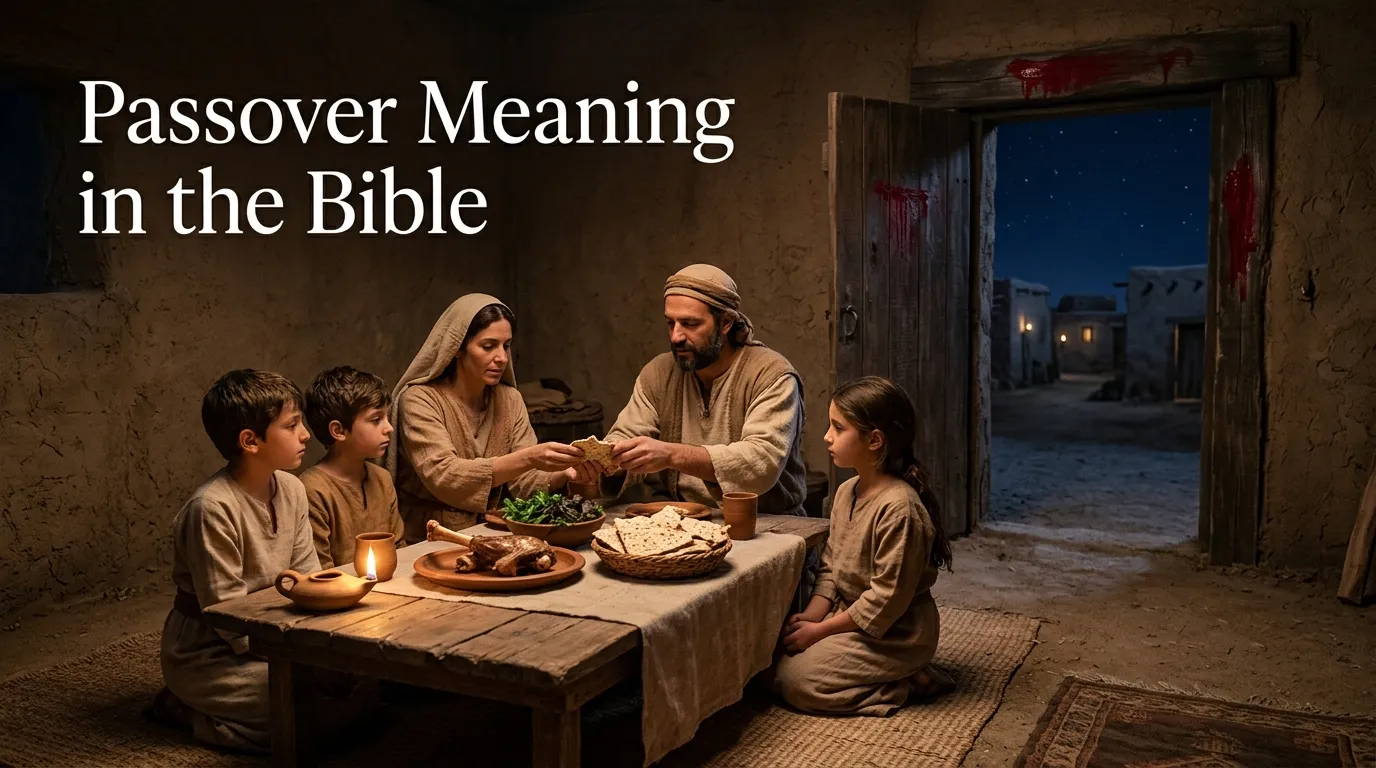
In the Bible, Passover commemorates the night when God spared the Israelites from the final plague in Egypt by passing over their homes marked with the blood of a lamb.
This event marked the beginning of their freedom from slavery and pointed forward to the ultimate redemption through Jesus Christ.
In this article, you will discover the historical roots of Passover, its rich symbolism, key Bible verses, and how it speaks to us today as believers.
You are exploring the faith for the first time or seeking to deepen your walk with God, understanding Passover strengthens our trust in God’s faithfulness and the power of the Lamb who saves us.
Quick Reference Table
| Aspect | Details |
| Hebrew Name | Pesach (פֶּסַח) – often linked to pass over, protect, or have compassion |
| Key Event | Tenth plague in Egypt; death of firstborn (Exodus 12) |
| Central Symbol | Spotless lamb whose blood protected the household |
| New Testament Link | Jesus as our Passover lamb (1 Corinthians 5:7) |
| Main Theme | Redemption from bondage through God’s mercy and sacrifice |
Biblical Meaning
Passover is fundamentally about God’s redemption. The Israelites were enslaved in Egypt for centuries. God heard their cries and acted through Moses to set them free. The final plaguedeath of the firstbornwould strike every home in Egypt, but God provided a way of escape for His people.
Families were to select a perfect lamb, slaughter it at twilight, and apply its blood to the doorposts and lintel. When God saw the blood, He passed over that house, sparing the firstborn. This act of divine protection and judgment launched the Exodus, forming Israel as God’s covenant people.
Passover Meaning in the Bible
Passover is one of the Bible’s most significant events, remembering how God rescued the Israelites from slavery in Egypt. During the first Passover, families marked their doorposts with the blood of a lamb, and God’s judgment passed over their homes. This powerful event points to God’s mercy, protection, and salvation. For Christians, Passover also foreshadows Jesus Christ, the perfect Passover Lamb, whose sacrifice brings forgiveness and eternal hope to everyone who believes in Him.
Feast of the Passover Meaning in the Bible
The Feast of the Passover is a sacred celebration established by God to help His people remember His mighty deliverance from Egypt. It was observed every year with a special meal, prayers, and worship. More than a historical tradition, the feast reminded Israel of God’s faithfulness across generations. In the New Testament, Jesus celebrated Passover with His disciples before His crucifixion, giving the feast a deeper meaning that points to redemption through His sacrificial death.
The Passover Meaning in the Bible
The Passover in the Bible represents God’s saving power, covenant faithfulness, and mercy toward His people. It marks the night when the Israelites were spared from the final plague in Egypt and began their journey toward freedom. This event became a lasting reminder that God keeps His promises. Christians also see the Passover as a prophetic picture of Jesus Christ, whose sacrifice delivers believers from the bondage of sin and offers the gift of eternal life.
4 Cups of Passover Meaning in the Bible
The four cups used during the Passover meal symbolize God’s promises of deliverance found in Exodus 6:6-7. Each cup highlights a different aspect of His plan to rescue, redeem, restore, and establish His people. During the Last Supper, Jesus shared the Passover cups with His disciples, giving them greater spiritual significance. Today, many Christians study the four cups because they beautifully illustrate God’s complete work of salvation fulfilled through Jesus Christ.
Happy Passover Meaning in the Bible
The greeting “Happy Passover” expresses joy as people remember God’s faithfulness, protection, and deliverance. While the exact phrase does not appear in Scripture, its message reflects gratitude for the Lord’s saving acts throughout history. For Jewish families, it celebrates freedom from slavery in Egypt. For many Christians, Passover also points to the hope found in Jesus Christ, whose sacrifice fulfilled the deeper meaning of the Passover and opened the way to eternal salvation.
Passover Meaning in the Bible
Passover in the Bible is God’s powerful reminder of deliverance, protection, and faithfulness. It began when God rescued the Israelites from slavery in Egypt by sparing the homes marked with the blood of a lamb. This event became a lasting memorial of His saving power. For Christians, Passover also points to Jesus Christ, the perfect Lamb of God, whose sacrifice brings forgiveness and eternal salvation. It reveals God’s desire to rescue His people and keep His promises.
Feast of the Passover Meaning in the Bible
The Feast of the Passover is a sacred celebration established by God to remember Israel’s freedom from Egyptian bondage. Observed every year, it reminded families of the night God passed over their homes and delivered them from judgment. The feast included special meals, prayers, and remembrance of God’s mighty acts. In the New Testament, it gains deeper significance as Jesus celebrates Passover before His crucifixion, revealing Himself as the fulfillment of God’s redemptive plan.
The Passover Meaning in the Bible
The Passover represents one of the most important events in biblical history. It marks the beginning of Israel’s journey from slavery to freedom through God’s miraculous intervention. Beyond its historical importance, Passover symbolizes redemption, mercy, and covenant faithfulness. Christians understand its deeper meaning through Jesus Christ, whose sacrificial death fulfills the symbolism of the Passover lamb. The story encourages believers to trust God’s power to save, protect, and lead His people in every generation.
4 Cups of Passover Meaning in the Bible
The four cups used during the Passover meal reflect God’s four promises of redemption found in Exodus 6:6-7. They symbolize deliverance, freedom, redemption, and God’s covenant relationship with His people. During the Last Supper, Jesus shared the Passover cups with His disciples, giving them deeper spiritual meaning through His coming sacrifice. Today, the four cups remind believers that God’s salvation is complete, offering hope, restoration, and a lasting relationship with Him through Christ.
Happy Passover Meaning in the Bible
The greeting “Happy Passover” expresses joy and gratitude for God’s saving work rather than simply wishing someone a pleasant holiday. Biblically, Passover celebrates God’s deliverance of Israel from slavery and His faithfulness to His covenant people. For many Christians, it also points to the salvation made possible through Jesus Christ. The greeting serves as a reminder to rejoice in God’s mercy, remember His mighty acts, and celebrate the hope found in His redemption.
Feast of Passover Meaning in the Bible
The Feast of Passover is a divinely appointed observance that commemorates God’s rescue of the Israelites from Egypt. It teaches each generation to remember God’s faithfulness and the cost of redemption. Families gathered to share a symbolic meal while recalling God’s protection during the final plague. In Christian understanding, the feast foreshadows Jesus Christ, whose sacrifice fulfills the meaning of the Passover lamb and provides salvation for everyone who believes in Him.
What Is Passover Meaning in the Bible
Passover is a biblical festival that remembers how God delivered the Israelites from slavery in Egypt and spared their firstborn during the final plague. It highlights God’s justice, mercy, and faithfulness to His promises. The blood of the Passover lamb became a sign of protection, pointing forward to Jesus Christ, the Lamb of God. Passover teaches believers to remember God’s saving grace, trust His promises, and live with thankful hearts before Him.
Hebrew Meaning
The Hebrew word Pesach comes from the root pasach. While commonly translated as to pass over, scholars note additional nuances such as to protect, to spare, or even to have compassion. In context, it beautifully captures God’s merciful action: He skipped over or shielded the Israelite homes while bringing judgment on Egypt.
This layered meaning reminds us that God’s deliverance is never cold or mechanicalit flows from His compassionate heart.
Biblical Context
Passover appears first in Exodus 12 amid the ten plagues. God had already shown His power through nine plagues, yet Pharaoh’s heart remained hard. The tenth plague was decisive. God instructed the Israelites carefully so they would remember this night for generations (Exodus 12:14).
The festival combines with the Feast of Unleavened Bread, symbolizing the haste of their departureno time for bread to rise. Later, Passover became a central pilgrimage feast in Jerusalem, observed yearly to recall God’s mighty hand.
Key Bible Verses with Explanations
Exodus 12:13 (NIV): The blood will be a sign for you on the houses where you are, and when I see the blood, I will pass over you. No destructive plague will touch you when I strike Egypt.
In context, this verse comes directly from God’s instructions to Moses. The blood was not magic but a visible act of obedience and faith. It showed that the family trusted God’s word. For us, it foreshadows how the blood of Christ covers and protects those who put their faith in Him.
Exodus 12:27: …It is the Passover sacrifice to the Lord, who passed over the houses of the Israelites in Egypt and spared our homes when he struck down the Egyptians.
This explains the name and purpose. The sacrifice reminded Israel of God’s selective mercy rooted in the covenant promise to Abraham.
1 Corinthians 5:7 (NIV): Get rid of the old yeast, so that you may be a new unleavened batchas you really are. For Christ, our Passover lamb, has been sacrificed.
Paul writes to a church struggling with sin. He draws on Passover imagery to urge holy living. Jesus is the perfect, spotless Lamb sacrificed for us. His death during Passover week was no coincidenceit fulfilled the shadow of the Old Testament feast.
John 1:29: Look, the Lamb of God, who takes away the sin of the world!
John the Baptist’s declaration echoes Passover language. Jesus is the true Lamb whose sacrifice brings deliverance not just from physical slavery but from the power and penalty of sin.
Spiritual Meaning
At its heart, Passover reveals God’s pattern of redemption: judgment on sin, protection through sacrifice, and freedom for those who obey in faith. The Israelites were not saved by their own goodness or effort but by applying the blood in faith. This points directly to the gospelsalvation is a gift received by trusting in Christ’s finished work.
Symbolism
- The Lamb: Spotless, male, one year oldpictures Jesus, sinless and in the prime of life.
- The Blood: Applied visibly; it turned away wrath. Christ’s blood cleanses us from all sin (1 John 1:7).
- Unleavened Bread: Represents purity and haste; calls believers to remove leaven of sin from their lives.
- Bitter Herbs: Reminder of the bitterness of slavery and suffering.
These symbols together paint a vivid picture of the cost of freedom and the joy of deliverance.
Practical Application
For new believers, Passover invites you to trust the blood of Jesus for salvationjust as the Israelites trusted the lamb’s blood. Place your faith in Christ and experience freedom from guilt and fear of judgment.
For mature Christians and pastors, it calls us to regular self-examination. Are we living unleavened livesfree from known sin? Celebrate Communion with fresh gratitude, remembering Christ our Passover Lamb.
In daily life, remember that God still delivers His people. When facing Egypt-like bondageaddiction, fear, injusticecry out to Him. He hears, He acts, and He provides protection through the cross.
Common Misunderstandings
Some view Passover only as a Jewish holiday with little relevance for Christians. Yet the New Testament clearly connects it to Jesus. Others treat it as merely cultural or historical, missing its ongoing spiritual power. The Bible presents it as a lasting memorial that finds ultimate fulfillment in Christ, not as something abolished.
FAQs
Q: What are the 4 rules for the Passover in the Bible?
A: The four key Passover rules include sacrificing an unblemished lamb, applying its blood, eating it with unleavened bread and bitter herbs, and observing the meal as the Lord commanded.
Q: What is the Passover meaning?
A: Passover is the biblical celebration of God’s deliverance of the Israelites from slavery in Egypt and His protection over their homes.
Q: What is Passover in the Bible New Testament?
A: In the New Testament, Passover points to Jesus Christ, whose sacrificial death fulfilled the meaning of the Passover lamb.
Q: What is the spiritual significance of Passover?
A: The spiritual significance of Passover is God’s redemption, salvation, faithfulness, and the promise of deliverance through His grace.
Q: What is Passover in the Bible Exodus?
A: In the book of Exodus, Passover commemorates the night God spared the Israelites and led them out of Egypt after the tenth plague.
Q: What is Passover in the Bible simple definition?
A: Passover is a biblical feast that remembers how God rescued the Israelites from slavery in Egypt and protected them during the final plague.
Q: What are the three importance of Passover in the Bible?
A: The three main purposes of Passover are remembering God’s deliverance, celebrating His covenant faithfulness, and foreshadowing Christ’s sacrifice for humanity.
Q: What is Passover meaning in Hebrew?
A: In Hebrew, Passover is called Pesach (פֶּסַח), meaning “to pass over,” referring to God passing over the homes of the Israelites during the final plague.
Conclusion
The meaning of Passover in the Bible overflows with hope. It tells the story of a God who sees suffering, provides a lamb, and sets captives free. Today, that same God offers you freedom through Jesus, the perfect Passover Lamb.
As you reflect on this beautiful truth, may your heart echo the words of Scripture: Christ, our Passover lamb, has been sacrificed (1 Corinthians 5:7). Walk in the freedom He purchased for you. Trust His blood, live in gratitude, and share this good news with others. God’s deliverance is real, powerful, and available to all who come to Him in faith.
You were bought at a price (1 Corinthians 6:20). Live as people who have been passed over and set freefully redeemed and deeply loved.
Discover More Post
- Hope Meaning in the Bible Explained Clearly
- Hope Meaning in the Bible Explained Clearly
- Understanding the Meaning of Proverbs in the Bible
- Lust Meaning in Bible: A Christian Guide

I’m Nicholas Sparks, and storytelling has always been my passion. Through TheBiblimeaning, I share insights about my books, unforgettable characters, romance, emotions, and the deeper meanings behind my stories. This platform brings readers closer to my writing journey, latest releases, and the inspiration that shapes every novel I create.