Death is something every person thinks about at some point in life. It may come to mind when we lose a loved one, attend a funeral, or face a difficult season.
The thought of death can bring sadness, fear, questions, and even uncertainty.
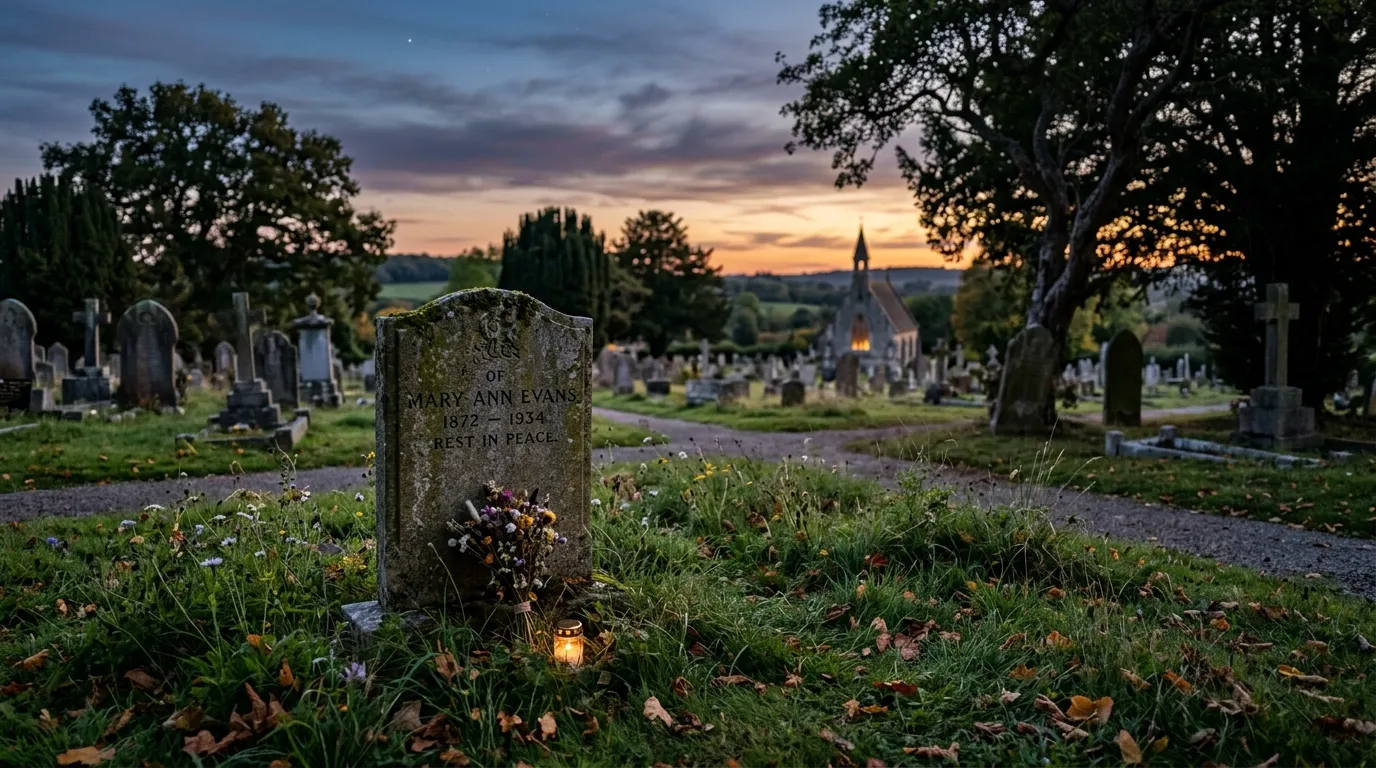
Imagine standing beside a quiet grave on a calm day. The wind moves gently through the trees, and memories of someone you loved fill your heart.
You may wonder, “What happens after death?” or “What does God say about it?”
The Bible does not ignore these questions. In fact, Scripture speaks often about death and offers hope, comfort, and truth.
While death entered the world because of sin, God’s Word teaches that death is not the end for those who trust Him.
Many people search for the Christian meaning of death because they want peace and understanding. They want to know if there is life beyond the grave and how God views the end of earthly life.
The good news is that the Bible provides clear answers. It reveals God’s plan, His promise of eternal life, and the hope believers can hold onto even during seasons of grief.
Let’s explore what the Bible says about death and the spiritual message behind it.
Biblical Meaning of Death
In the Bible, death is often described as a separation. Physical death happens when the soul leaves the body. Spiritual death refers to separation from God because of sin.
The Bible teaches that death entered the world through sin. In Romans 5:12, we learn that sin came into the world through one man, and death followed because of sin. This was never God’s original design for humanity.
Yet the Bible also shows that God has power over death.
One of the most comforting verses is found in John 11:25, where Jesus said:
“I am the resurrection and the life. Whoever believes in me will live, even though they die.”
This verse reminds believers that physical death is not the end. Through Jesus Christ, eternal life is possible.
The Bible often compares death to sleep. This does not mean people stop existing. Instead, it points to the temporary nature of death for those who belong to God. Just as a person wakes from sleep, believers will one day be raised to eternal life.
Death can also serve as a reminder of life’s purpose. Scripture encourages people to seek God while they have the opportunity. Life on earth is temporary, but eternity lasts forever.
There are both comforting and warning messages connected to death in the Bible.
The comforting message is that God promises eternal life to those who trust Him. In Revelation 21:4, God promises a future where there will be no more death, mourning, crying, or pain.
The warning message is that people should not ignore their relationship with God. Death reminds us that earthly life has limits and that spiritual decisions matter.
Even when believers grieve, the Bible encourages hope. In 1 Thessalonians 4:13-14, Christians are told not to grieve without hope because Jesus conquered death through His resurrection.
This biblical symbolism shows that death is both an ending and a beginning. It marks the end of earthly life but opens the door to eternity.
Because of God’s love, death does not have the final word. Jesus does.
Spiritual Significance and Symbolism
The spiritual symbolism of death goes beyond physical life ending. Throughout the Bible, death can represent change, transformation, and new beginnings.
When a person follows Christ, Scripture describes the old sinful life as dying and a new life beginning. This spiritual transformation is part of Christian growth.
Death also reminds believers to trust God more deeply. It teaches that earthly things are temporary while God’s promises last forever.
Many Christians discover stronger faith after walking through grief. Difficult seasons often lead people to prayer, reflection, and a greater awareness of God’s presence.
For example, someone who loses a loved one may begin seeking comfort in Scripture. Another person may start praying more often after realizing how precious life is.
In this way, death can become a spiritual awakening. It points people toward eternal truths and encourages them to focus on what truly matters.
The Bible’s message is not centered on fear. Instead, it is centered on hope, faith, and God’s promise of eternal life.
Biblical Interpretations in Dreams or Real Life
Many people become concerned when they dream about death. However, a dream about death does not always mean physical death is coming.
In biblical dream interpretation, death often symbolizes the end of one season and the beginning of another. It may point to personal growth, change, repentance, or spiritual transformation.
A peaceful dream involving death may suggest that God is helping someone leave old habits behind and move forward in faith.
A fearful dream may reveal anxiety, unresolved emotions, or a need to seek God’s guidance through prayer.
In real life, encounters with death often lead people to reflect on eternity and their relationship with God. These moments can strengthen faith and remind believers of God’s promises.
Whether in dreams or daily experiences, Christians are encouraged to pray for wisdom and seek understanding through Scripture rather than fear.
God’s message is always rooted in truth, comfort, and hope.
Practical Lessons and Faith Insights
Death reminds us to cherish each day and live with faith.
Spend time in prayer. Trust God’s promises. Encourage those who are grieving. Focus on eternal things rather than temporary worries.
Most importantly, remember that Jesus defeated death and offers eternal life to everyone who believes in Him.
FAQs
Is death the end according to the Bible?
No. The Bible teaches that physical death is not the end. Believers who trust in Jesus have the promise of eternal life with God.
Why does the Bible say death entered the world?
According to Scripture, death entered the world because of sin. However, God provided salvation through Jesus Christ.
What happens after death in Christianity?
The Bible teaches that people face eternity after death. Those who trust Christ receive eternal life with God.
What does dreaming about death mean spiritually?
A death dream often symbolizes change, transformation, or the ending of one season rather than a prediction of physical death.
How can Christians overcome fear of death?
Christians overcome fear by trusting God’s promises, praying, studying Scripture, and remembering Jesus’ victory over death.
More Searched Questions About Death in the Bible
What happens when a person dies, according to the Bible?
The Bible’s plainest summary stands in Ecclesiastes: “Then shall the dust return to the earth as it was: and the spirit shall return unto God who gave it” (Ecclesiastes 12:7). It matches the sentence spoken in Eden: “for dust thou art, and unto dust shalt thou return” (Genesis 3:19). Death, in Scripture’s picture, is a separation and a return: the body goes back to the earth it was taken from, and the spirit goes back to the God who gave it. The person is not switched off or dissolved into nothing; they are in the hands of the God who made them, and what follows that return belongs to Him, as the answer on Hebrews 9:27 below sets out.
One more text shows how God Himself speaks of the death of His own people: “Precious in the sight of the LORD is the death of his saints” (Psalm 116:15). Whatever death looks like from our side, a graveside, a hospital room, people standing with empty hands, Scripture says the death of God’s people is noticed by Him and precious to Him, not a loss He overlooks. An honest limit belongs here too: the Bible tells us that the dead are kept by God, but it does not hand any of us the verdict on one particular person’s life. That judgment is His. These texts are given to us to hope by, not to pronounce on one another.
Do believers go straight to heaven when they die?
This is the most searched form of the whole subject: do we go straight to heaven when we die, does the soul go immediately, how long after we die do we go to heaven. Paul answers with full confidence about the destination and says nothing about clocks. “We are confident, I say, and willing rather to be absent from the body, and to be present with the Lord” (2 Corinthians 5:8). And again: “For I am in a strait betwixt two, having a desire to depart, and to be with Christ; which is far better” (Philippians 1:23). In both places, the step after death for the believer is described the same way: with Christ, with the Lord.
Two honest notes keep this answer inside the texts. First, Paul measures the change by company, not by geography or by hours: departed, and with Christ. Scripture nowhere gives a timetable in minutes or days, and the “how long” question is one the Bible simply does not answer in those terms, so this article will not invent one. Second, being with Christ is not the last chapter either: the same apostle looks beyond it to the resurrection, when the dead in Christ rise and the living are caught up to meet the Lord (1 Thessalonians 4:16-17, answered below). The Bible holds both together: the believer who dies is with Christ, and the believer who dies still awaits a resurrection body. Some readers feel a tension between those two truths, and it is exactly the tension behind the soul sleep question, which has its own answer below.
What did Jesus mean by “To day shalt thou be with me in paradise”?
On the cross, one of the men crucified beside Jesus turned to Him with a modest request: “Lord, remember me when thou comest into thy kingdom” (Luke 23:42). He asked only to be remembered at some future coming of the kingdom. Jesus answered with more, and sooner: “Verily I say unto thee, To day shalt thou be with me in paradise” (Luke 23:43), as the King James Version prints it. No time remained to that man for baptism, for restitution, or for building a record of good works; his hands were nailed. The promise rests entirely on the word of Christ, spoken to a man who believed it in his last hours.
One detail of this verse is searched and argued about, and it deserves an honest answer. The earliest Greek copies of Luke have no punctuation at all, so every comma in this verse was placed there by translators deciding where it belongs. Most translations place the comma before “today”, as the King James does, so that today belongs to the promise: with me, today, in paradise. One reason translators give is that Jesus uses the words “verily I say unto thee” many times in the Gospels, and nowhere else is “today” attached to the saying itself. A minority of translations place the comma after “today”: I say unto thee today, thou shalt be with me in paradise, so that today belongs only to the moment of speaking, and the promise itself carries no date. That reading is held sincerely by some, including the Jehovah’s Witnesses’ translation, and it should be reported fairly rather than mocked. Either way, the heart of the promise stands unchanged: the man would be with Jesus in paradise, the word Scripture uses for God’s own place of life, where the tree of life stands “in the midst of the paradise of God” (Revelation 2:7), and the place Paul was caught up to, as the near death answer below describes.
Is the rich man and Lazarus a real account or a parable?
Jesus tells the story in Luke 16: “There was a certain rich man, which was clothed in purple and fine linen, and fared sumptuously every day: And there was a certain beggar named Lazarus, which was laid at his gate, full of sores” (Luke 16:19-20). Then the reversal: “And it came to pass, that the beggar died, and was carried by the angels into Abraham’s bosom: the rich man also died, and was buried; And in hell he lift up his eyes, being in torments, and seeth Abraham afar off, and Lazarus in his bosom” (Luke 16:22-23). Abraham’s words to the rich man are these: “now he is comforted, and thou art tormented. And beside all this, between us and you there is a great gulf fixed” (Luke 16:25-26).
Is it a parable or a report of real men? Teachers differ, and this article does not settle it. Most read it as one of Jesus’ parables: it stands in a long run of them in Luke, and it uses the picture language of a story told to make a point. Others point out that the beggar is given a name, Lazarus, which Jesus does in no other parable, and they read it as an account of real people. What does not change between the two readings is the point Jesus Himself lands on. When the rich man begs that Lazarus be sent back to warn his brothers, Abraham refuses: “If they hear not Moses and the prophets, neither will they be persuaded, though one rose from the dead” (Luke 16:31). The story is given to press a decision on the living, while they can still hear Scripture; it is not given as a map of the world beyond death. It says nothing about timings or distances or the resurrection, and building a full geography of the afterlife out of its picture language alone goes past what the story is doing. Its sober word stands either way: after death there is a real divide, fixed and not crossed, which is why the Bible’s call to hear Moses and the prophets, and the Christ they point to, is always a call for today.
Do the dead sleep until the resurrection, or are they conscious with Christ?
The Bible calls death a sleep again and again. Jesus said of His friend, “Our friend Lazarus sleepeth; but I go, that I may awake him out of sleep”, and when the disciples took Him literally, “Then said Jesus unto them plainly, Lazarus is dead” (John 11:11-14). Paul speaks in the same way of believers “which are asleep” (1 Thessalonians 4:13). From this language, and from the wisdom books, some Christians teach what is called soul sleep: that the dead are unconscious, knowing nothing, until Christ raises them. Their main texts are real ones, and they should be heard at full strength: “For the living know that they shall die: but the dead know not any thing” (Ecclesiastes 9:5), and of the man who dies, “His breath goeth forth, he returneth to his earth; in that very day his thoughts perish” (Psalm 146:4). This reading is held by Seventh-day Adventists, by Jehovah’s Witnesses, and by some other believers.
Other Christians, the large majority across the churches, read the same Bible and conclude that those who die in Christ are consciously with Him while they await the resurrection. Their texts are real too: the promise “To day shalt thou be with me in paradise” (Luke 23:43), Paul’s desire “to depart, and to be with Christ” (Philippians 1:23) and his confidence about being “present with the Lord” (2 Corinthians 5:8), and John’s vision of “the souls of them that were slain for the word of God”, who “cried with a loud voice, saying, How long, O Lord, holy and true, dost thou not judge and avenge our blood on them that dwell on the earth?” (Revelation 6:9-10). On this reading, “sleep” describes how death looks from our side, a body at rest and stilled, waiting to be woken, while Ecclesiastes describes life as it appears to an observer under the sun. The honest summary is this: the disagreement is about the interval between death and resurrection, and serious, Bible believing Christians stand on both sides of it, so this article lays out the texts and does not declare a winner. What neither side disputes is the ground both stand on: the dead are kept by God, and Christ will raise them.
Why does Paul say not to grieve as others who have no hope?
Paul wrote the fullest funeral passage in the Bible to a young church that feared it had lost something about its dead: “But I would not have you to be ignorant, brethren, concerning them which are asleep, that ye sorrow not, even as others which have no hope. For if we believe that Jesus died and rose again, even so them also which sleep in Jesus will God bring with him” (1 Thessalonians 4:13-14). Read the sentence carefully: Paul does not say “do not sorrow”. He says do not sorrow “even as others which have no hope”. Grief itself is never rebuked anywhere in Scripture; hopeless grief is what he answers. This article’s own pages above say the Bible encourages hope in grief; here is the text that hope stands on, in full.
And the hope Paul gives is specific. It is not a vague sense that the dead are “in a better place”. “For the Lord himself shall descend from heaven with a shout, with the voice of the archangel, and with the trump of God: and the dead in Christ shall rise first: Then we which are alive and remain shall be caught up together with them in the clouds, to meet the Lord in the air: and so shall we ever be with the Lord” (1 Thessalonians 4:16-17). The comfort is a reunion at a resurrection: the dead in Christ raised, the living gathered together with them, and all of them with the Lord for good. Paul’s instruction for the grieving is to use these very words on each other: “Wherefore comfort one another with these words” (1 Thessalonians 4:18). One gentle word belongs with that: this comfort is meant to be carried by people together, not held alone. If you are grieving, let others carry it with you: a trusted friend or family member, a pastor, or a counselor. Sorrow shared is not faith weakened; it is exactly the “one another” Paul had in mind.
What does “appointed unto men once to die, but after this the judgment” mean?
The verse is short, and it is searched often: “And as it is appointed unto men once to die, but after this the judgment” (Hebrews 9:27). Its first teaching is the shape of a human life: one life, one death, and then judgment. Scripture knows nothing of reincarnation, and it teaches no second earthly turn in which to get things right. The very next verse holds the other half of the writer’s thought: “So Christ was once offered to bear the sins of many” (Hebrews 9:28). His argument is built on the word “once”: as men die once, Christ was offered once, and His single offering is God’s answer to the judgment that follows our single death, for those who look for Him, who “shall he appear the second time without sin unto salvation” (Hebrews 9:28).
This verse also stands in the middle of an old debate, and honesty requires naming it. Roman Catholic teaching reads the judgment after death together with a final purification for those who die in God’s grace, pointing to texts such as 1 Corinthians 3:15, where a man “shall be saved; yet so as by fire”. Most Protestant teaching reads Hebrews 9:27 as leaving no room for any such stage between death and judgment. This article reports the disagreement and does not settle it. What the verse itself is never for is fright, or verdicts on individuals: no reader of it is given another person’s judgment to announce, and the passage that contains it turns immediately toward Christ’s offering and His saving return. Its word to the living is sober and simple: this life is the time to be reconciled to God, and the way He has provided is the once offered Christ.
Is cremation a sin according to the Bible?
This question arrives in many forms: is cremation a sin in the Bible, what does the Bible say about cremation or burial, can a cremated person be raised. The first fact is the honest one: no verse in the Bible commands burial, and no verse forbids cremation or calls it a sin. Burial is the pattern Scripture shows most often, from Abraham buying the cave of Machpelah to bury Sarah (Genesis 23) to the burial of Jesus Himself, and many Christians choose burial for that pattern and for what it pictures: a body laid to rest, sown like seed, awaiting the resurrection. But a pattern is not a command, and the difference matters for grieving families making this decision.
Burning a body does appear in Scripture, in a place that surprises many readers. After Saul and his sons were killed and their bodies hung on a wall by the Philistines, “all the valiant men arose, and went all night, and took the body of Saul and the bodies of his sons from the wall of Beth-shan, and came to Jabesh, and burnt them there. And they took their bones, and buried them under a tree at Jabesh, and fasted seven days” (1 Samuel 31:12-13). The book records the rescue and the burning without one word of blame; these men are presented as loyal and brave. The burning God does condemn looks entirely different: Moab “burned the bones of the king of Edom into lime” (Amos 2:1), an act of hatred and desecration against an enemy’s corpse, condemned as cruelty, not as a funeral practice. And the resurrection never depends on the state of the remains: God raises the dead lost at sea, for “the sea gave up the dead which were in it” (Revelation 20:13), the martyrs who were burned for their faith, and bodies long since returned to dust, exactly as Ecclesiastes 12:7 describes. So burial or cremation is a decision on which Christians differ in good conscience. Scripture gives families freedom here, and it gives no one a verse with which to call the other family’s choice a sin.
What does the Bible say about near death experiences and visiting heaven?
Two moments in the Bible stand anywhere near what people now call a near death experience, and both are worth hearing carefully. Stephen, dying under the stones, “looked up stedfastly into heaven, and saw the glory of God, and Jesus standing on the right hand of God, And said, Behold, I see the heavens opened, and the Son of man standing on the right hand of God” (Acts 7:55-56). He saw, and he died; he did not come back to report. Paul was “caught up to the third heaven” and “caught up into paradise”, and what he brought back was the opposite of a book: he “heard unspeakable words, which it is not lawful for a man to utter” (2 Corinthians 12:2-4). The one man in the New Testament with the clearest glimpse of paradise was not permitted to publish its contents. And everyone in Scripture who was actually raised from death, Lazarus of Bethany among them, leaves no account of the other side recorded anywhere in the Bible.
Modern books and films about visiting heaven are therefore a different kind of thing from Scripture, and they should be weighed differently. They are personal testimonies: sincere in many cases, no doubt, but they differ from one another in details, and the details cannot all be true together; and one of the best known books in this genre was withdrawn by its publisher after the boy at its centre said publicly that the story had not happened. None of that makes anyone foolish for finding comfort in such a story, and grief reaches for hope in many forms. It does mean our hope was never meant to rest on them. The Bible’s own way is plainer and stronger: test every report against Scripture, hold to what God has actually said about death and resurrection, and let your hope stand on the texts in this article rather than on any traveller’s tale, however well meant.
Will death itself ever end?
The Bible’s story of death does not end at our funerals. Paul calls death an enemy, and an enemy under a sentence: “The last enemy that shall be destroyed is death” (1 Corinthians 15:26). Isaiah had seen the same end centuries earlier: “He will swallow up death in victory; and the Lord GOD will wipe away tears from off all faces” (Isaiah 25:8). Paul takes up those very words at the resurrection: “Death is swallowed up in victory. O death, where is thy sting? O grave, where is thy victory?” (1 Corinthians 15:54-55). Death is not eternal and it is not the final power in the universe; it is a defeated enemy awaiting its destruction.
Revelation’s last chapters show the sentence carried out. After the judgment, “death and hell were cast into the lake of fire. This is the second death” (Revelation 20:14). Teachers differ over the final state of those who refuse God, whether endless conscious loss or the destruction that the words “second death” suggest, and this article does not settle that debate either. But the promise spoken over God’s own people, the text this article’s readers most often come looking for, is given without conditions in its own words: “And God shall wipe away all tears from their eyes; and there shall be no more death, neither sorrow, nor crying, neither shall there be any more pain: for the former things are passed away” (Revelation 21:4). “No more death” is not a metaphor there; it is a fact of the new creation, and it is where the Bible leaves the whole subject: death ends, and God remains.
How does the Bible set people free from the fear of death?
The searches behind this article include a whole cluster about fear: afraid of death, fear of dying, freedom from fear of death. The Bible names that fear as a form of slavery, and it names Christ’s death as its undoing. He took flesh and blood Himself, “that through death he might destroy him that had the power of death, that is, the devil; And deliver them who through fear of death were all their lifetime subject to bondage” (Hebrews 2:14-15). The freedom offered there is not a technique for never feeling fear again; it is deliverance from a lifelong bondage to it, grounded in what Christ has already done to death itself.
David’s valley holds the same balance: “Yea, though I walk through the valley of the shadow of death, I will fear no evil: for thou art with me; thy rod and thy staff they comfort me” (Psalm 23:4). The psalm does not move the valley; it puts the Shepherd in it. A believer may still feel the shadow and not be faithless for feeling it; what has changed is that the fear no longer owns the whole lifetime, and no one walks that valley unaccompanied. If fear of death sits on you constantly and heavily, do not carry it alone either: speak with someone you trust, a pastor or a counselor, and if it is wearing down your health and your days, a doctor as well. Asking for company in the valley is not the opposite of faith; it is one of the ways the Shepherd’s comfort usually arrives.
Conclusion
So, what does the Bible say about death? It teaches that death is real, but it is not the end for those who trust God. Through Jesus Christ, believers have the hope of eternal life and the promise of resurrection.
Even in times of grief, God’s Word offers comfort, peace, and assurance. When questions about death arise, look to God in prayer and faith, knowing that His love is stronger than death itself.