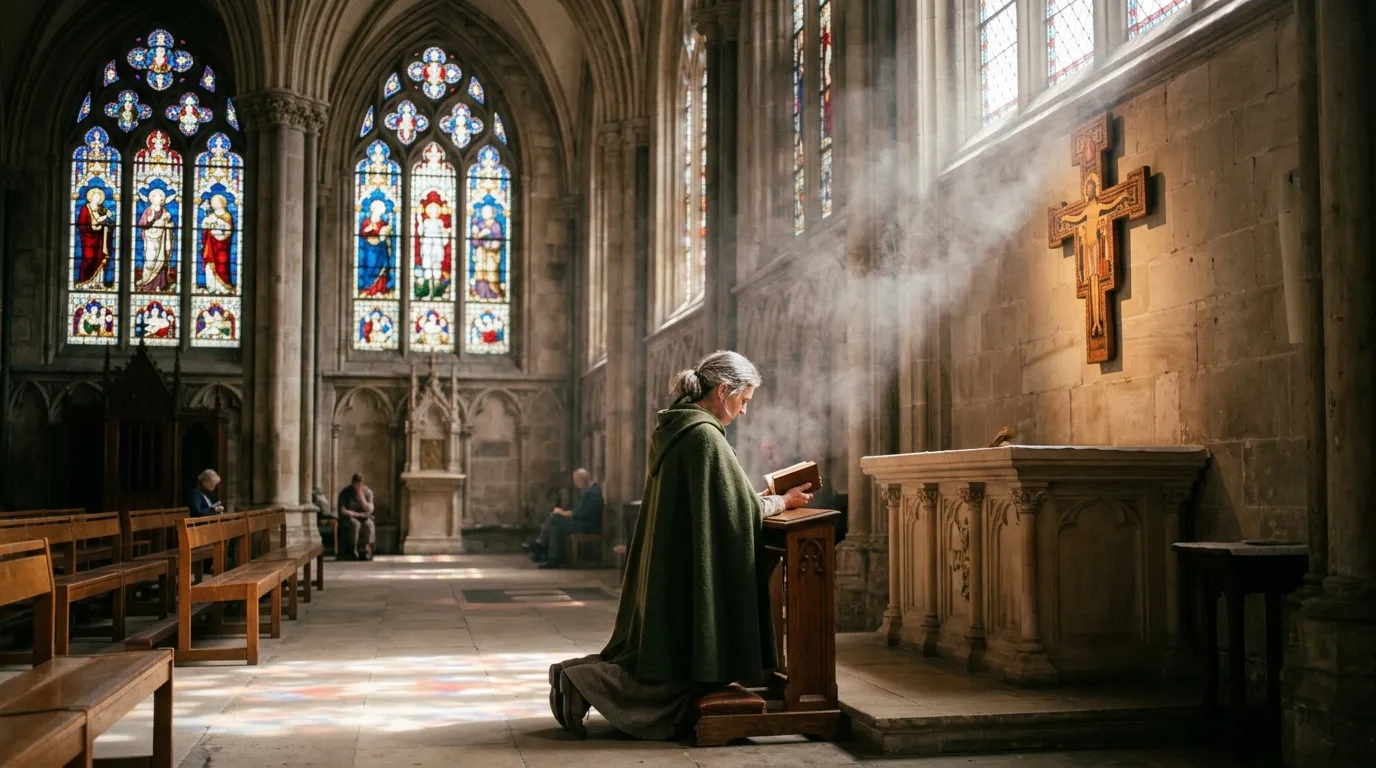
Have you ever felt God calling you to become a better person? Maybe you have sensed a gentle pull in your heart to leave old habits behind and walk closer with Him.
Many Christians experience this feeling during prayer, worship, or even in quiet moments of life.
This journey of change is closely connected to a powerful Bible word called sanctification.
While the word may sound big, its meaning is simple and beautiful. It describes the process of becoming more like Christ each day.
Many believers wonder about the meaning of sanctification in the Bible. Is it something that happens once? Is it a lifelong journey? What does God want us to learn through it?
The Bible shows that sanctification is one of God’s greatest gifts to His people. It is not about being perfect.
Instead, it is about allowing God to shape your heart, guide your steps, and help you grow in faith.
As we explore the biblical meaning of sanctification, we will discover how this process brings hope, transformation, and a deeper relationship with God.
Biblical Meaning of Sanctification
The meaning of sanctification in the Bible is to be set apart for God and made holy through His work in our lives. The word sanctify means to separate something for a special purpose.
When a person places faith in Jesus Christ, God begins a new work within them. He forgives their sins and starts transforming their heart. This ongoing change is called sanctification.
One important Bible verse is 1 Thessalonians 4:3:
For this is the will of God, even your sanctification: that ye should abstain from fornication.
This verse shows that sanctification is part of God’s plan for every believer.
Another key verse is Hebrews 12:14:
Follow peace with all men, and holiness, without which no man shall see the Lord.
God desires His people to grow in holiness. This does not mean living without mistakes. It means learning to follow God’s ways more closely each day.
The Bible also teaches that sanctification comes through the work of the Holy Spirit. In 2 Thessalonians 2:13, believers are described as being saved through sanctification by the Spirit.
The Holy Spirit helps Christians:
- Turn away from sin
- Grow in faith
- Develop godly character
- Understand God’s truth
- Walk in obedience
Sanctification is both a gift and a process. God provides the power, but believers must choose to follow Him daily.
There is also a warning side to sanctification. When people resist God’s guidance or continue in sinful ways, spiritual growth becomes difficult. The Bible encourages believers to listen to God’s voice and remain faithful.
Yet the overall message is one of hope. God is patient and loving. He does not expect instant perfection. Instead, He works gently in our lives over time.
Philippians 1:6 gives comfort:
He who began a good work in you will carry it on to completion.
This means God will continue His work of sanctification throughout our lives.
From a perspective of biblical symbolism, sanctification often represents cleansing, renewal, and spiritual growth. It is a sign that God is actively working in the hearts of His people.
For Christians, sanctification is a reminder that they belong to God and are being shaped for His purpose.
Spiritual Significance and Symbolism
The spiritual symbolism of sanctification points to transformation. Just as a seed grows into a strong plant, a believer grows through God’s grace.
Sanctification teaches that faith is not meant to stand still. God calls His children to keep moving forward in their spiritual journey.
Many Christians experience this growth through:
- Prayer
- Bible reading
- Worship
- Fellowship with other believers
- Trusting God during hard times
The process may not always be easy. Sometimes God uses challenges to strengthen faith and build character.
The spiritual message behind sanctification is that God loves His people enough to help them grow. He does not leave them where they are.
This growth often brings:
- Greater peace
- Stronger faith
- More love for others
- Better understanding of God’s will
- Deeper trust in God’s promises
Sanctification is also connected to the presence of God. As believers seek Him, they become more aware of His guidance and grace.
For many people, sanctification feels like a gradual spiritual awakening. Over time, they notice changes in their thoughts, actions, and desires. These changes reflect God’s work within them.
Biblical Interpretations in Dreams or Real Life
In real life, sanctification often appears as a growing desire to follow God more closely. A person may feel convicted about certain habits or inspired to live according to biblical values.
In Christian dream interpretation, themes related to sanctification may appear through symbols of cleansing, white clothing, pure water, bright light, or renewed paths.
A peaceful dream involving these symbols may suggest spiritual growth, healing, or God’s guidance.
A dream that feels difficult or challenging may reflect a season of correction, learning, or preparation. Such dreams are not always negative. They can be reminders that God is helping someone grow stronger in faith.
The key is to seek wisdom through prayer and Scripture. Christians are encouraged not to rely only on dreams but to compare every message with God’s Word.
Whether experienced in dreams or daily life, sanctification points believers toward God’s purpose and loving direction.
Practical Lessons and Faith Insights
Sanctification reminds us that spiritual growth takes time.
Stay close to God through prayer and Scripture. Trust His process even when change feels slow. Every step of faith matters. God is shaping your life with love, wisdom, and purpose. Continue seeking Him, and trust His timing.
FAQs
What is the meaning of sanctification in the Bible?
Sanctification means being set apart for God and gradually becoming more like Christ through the work of the Holy Spirit.
Is sanctification a one-time event?
No. While salvation happens through faith in Christ, sanctification is an ongoing process that continues throughout a believer’s life.
Which Bible verse talks about sanctification?
One important verse is 1 Thessalonians 4:3, which says, For this is the will of God, even your sanctification: that ye should abstain from fornication.
Why is sanctification important for Christians?
Sanctification helps believers grow in holiness, strengthen their faith, and develop a closer relationship with God.
Can sanctification appear in dreams?
Some Christians believe dreams involving cleansing, light, or renewal may symbolize spiritual growth and God’s work in a person’s life. These should always be understood through prayer and Scripture.
More Searched Questions About the Meaning of Sanctification
What does “Sanctify them through thy truth” mean in John 17:17?
On the night before the cross, Jesus prayed for His disciples: “Sanctify them through thy truth: thy word is truth” (John 17:17). Two things are named in that one sentence. The first is the people to be set apart: the disciples the Father had given Him, and, as He adds a few verses later, those who would believe on Him through their word (John 17:20). The second is the instrument God would use: His truth, which Jesus defines at once as His word. So sanctification in this prayer is not by ritual or by religious feeling, but by truth received. The disciples had already been given the Father’s words (John 17:8), and now Jesus asks the Father to keep doing His separating and cleansing work in them by means of that word as they carried it into the world. Paul pictures Christ’s work for the church in the same way: He “gave himself for it; That he might sanctify and cleanse it with the washing of water by the word” (Ephesians 5:25-26). Readers who search how the word of God sanctifies us find their answer here. The word is the means God has chosen. As His truth is heard, believed and obeyed, it washes, corrects and sets a life apart for Him.
Why did Jesus say “For their sakes I sanctify myself” in John 17:19?
Three sentences later in the same prayer, Jesus says: “And for their sakes I sanctify myself, that they also might be sanctified through the truth” (John 17:19). This cannot mean that Jesus needed to be cleansed from sin. Scripture calls Him “holy, harmless, undefiled, separate from sinners” (Hebrews 7:26). “I sanctify myself” means that He set Himself apart and devoted Himself wholly to the work the Father had given Him, and on that night the work led directly to the cross. The Father had sanctified Him and sent Him into the world (John 10:36); now the Son brings that devotion to its completion, surrendering Himself for others. The purpose is stated in the verse itself: it was “for their sakes”, so “that they also might be sanctified through the truth”. The order matters, and it is the pattern of the whole prayer. The disciples’ sanctification rests on His. He gives Himself first, and their being set apart follows. Their holiness is not self-manufactured; it flows from His completed self-devotion and from the truth He spoke and embodied.
What does it mean that an unbelieving husband is sanctified by his wife (1 Corinthians 7:14)?
Paul answers a painful pastoral question here: what happens to a marriage when one partner believes and the other does not? His ruling is: “For the unbelieving husband is sanctified by the wife, and the unbelieving wife is sanctified by the husband: else were your children unclean; but now are they holy” (1 Corinthians 7:14). The verses around it give the setting. If the unbelieving partner is willing to remain, the believer is not to send them away (1 Corinthians 7:12-13), because the marriage itself is not unholy and must not be treated as defiling. In that sense the unbelieving partner is sanctified: set apart within a marriage God honours, and living in a home where one partner belongs to the Lord. The children of such a home are likewise called “holy” rather than “unclean”: they are not placed outside the sphere of God’s covenant care in that family. One limit must be stated plainly, because the searches behind this question often press it. Paul does not say the unbelieving spouse is saved. Two verses later he leaves that outcome open and hopeful: “For what knowest thou, O wife, whether thou shalt save thy husband?” (1 Corinthians 7:16). Sanctified in this verse describes the standing of the marriage and the household before God, not the unbeliever’s conversion.
How can food be sanctified by the word of God and prayer (1 Timothy 4:5)?
Paul is correcting teachers who were “commanding to abstain from meats, which God hath created to be received with thanksgiving of them which believe and know the truth” (1 Timothy 4:3). His answer rests on creation itself: “For every creature of God is good, and nothing to be refused, if it be received with thanksgiving: For it is sanctified by the word of God and prayer” (1 Timothy 4:4-5). Two things are said to sanctify the food on the table. The first is the word of God: God’s own word created these things and gave them to mankind for food, “Every moving thing that liveth shall be meat for you; even as the green herb have I given you all things” (Genesis 9:3). What God has declared good is not made unholy by a man-made rule forbidding it. The second is prayer: the meal is received with thanksgiving, acknowledged as God’s gift rather than treated as something common or suspect. This verse is therefore not a formula for blessing food, and it is not a promise that prayer makes spoiled or harmful food safe. It is Paul’s defence of God’s good gifts. Created food, received gratefully under God’s word, needs no human prohibition to make it acceptable to Him.
What does “Sanctify the Lord God in your hearts” mean (1 Peter 3:15)?
Peter writes to Christians who were suffering for their faith, and his instruction runs against instinct: “But sanctify the Lord God in your hearts: and be ready always to give an answer to every man that asketh you a reason of the hope that is in you with meekness and fear” (1 Peter 3:15). He is echoing Isaiah, who told a frightened people: “Sanctify the LORD of hosts himself; and let him be your fear, and let him be your dread” (Isaiah 8:13). To sanctify the Lord in your heart is to set Him apart there as Lord in the fullest sense: to give Him the place of highest honour in the inner life, to reverence Him rather than fear the people threatening you, and to trust His rule when circumstances argue otherwise. That is why the verse just before says, “be not afraid of their terror, neither be troubled” (1 Peter 3:14). It is also why the second half of the verse follows so naturally. A heart that has settled who is Lord can answer calmly: ready to give a reason for its hope, and giving it “with meekness and fear”, without anger or panic. Sanctifying the Lord in the heart is not first a technique for winning arguments; it is the settled inner loyalty that makes a gentle answer possible.
What was the first thing God sanctified in the Bible?
The first thing Scripture says God sanctified is not a person, a place, or an object. It is a day. At the close of creation we read: “And God blessed the seventh day, and sanctified it: because that in it he had rested from all his work which God created and made” (Genesis 2:3). This is the first occurrence of the Bible’s sanctify word family, and its object is time itself. God set the seventh day apart from the other six by His own act, before Israel existed and long before Sinai gave the command, “Remember the sabbath day, to keep it holy” (Exodus 20:8), adding that the LORD “blessed the sabbath day, and hallowed it” (Exodus 20:11). The pattern here is worth noticing, because it runs through this whole subject. God sanctifies first, and His people then keep holy what He has made holy. The day was not made holy by human observance. It was declared holy by God at creation, and Israel’s rest each week was their response to a sanctification God had already performed.
Conclusion
The meaning of sanctification in the Bible is a beautiful picture of God’s transforming work in His people.
It is the journey of becoming more like Christ through faith, obedience, and the power of the Holy Spirit.
While growth takes time, God remains faithful every step of the way. Trust His guidance, stay rooted in prayer, and remember that He is lovingly shaping your life for His purpose and glory.