SEO Title: How Long for Grass Seed to Germinate?
Meta Description: Wondering how long for grass seed to germinate? Learn typical germination times, what affects growth, and how to help new grass sprout.
URL Slug: how-long-for-grass-seed-to-germinate
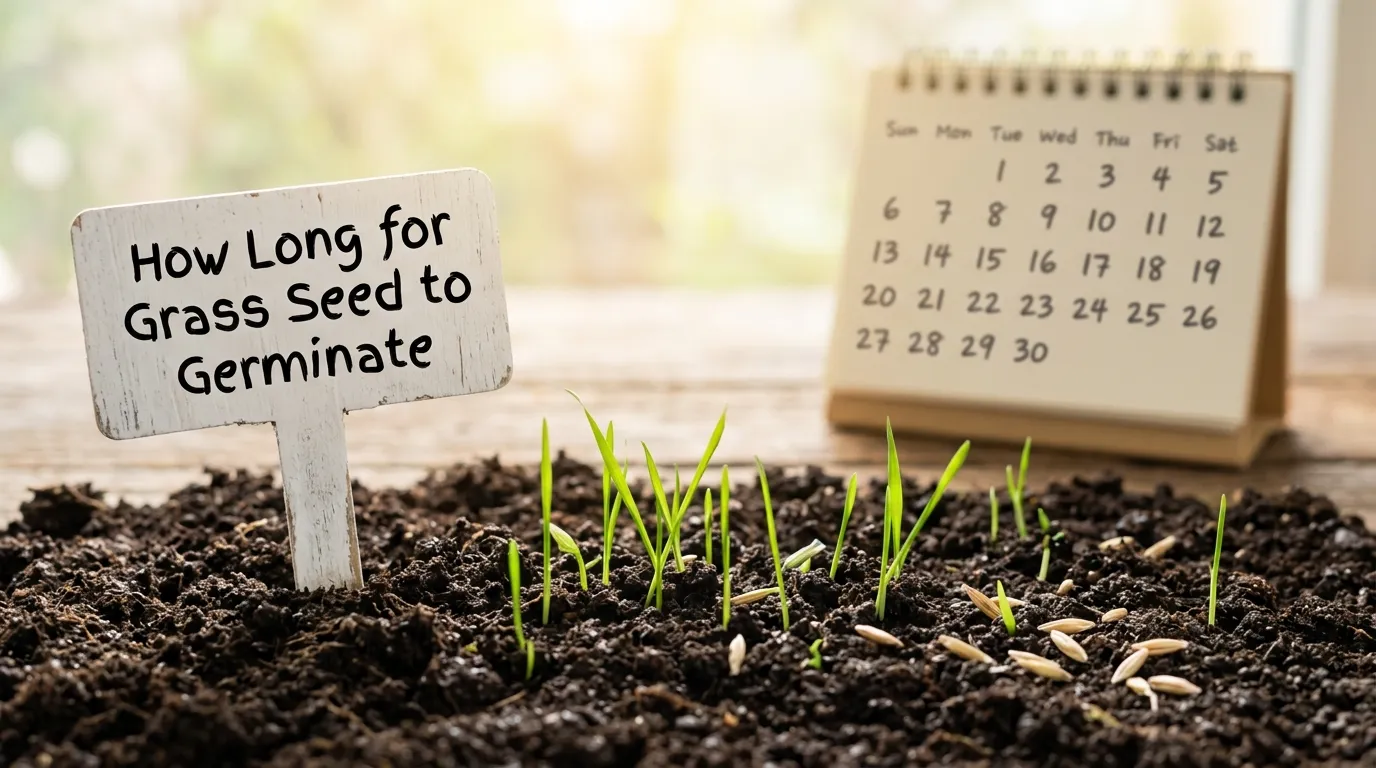
If you’re wondering how long for grass seed to germinate, most lawn grass begins showing signs of growth within about 5 to 30 days. The exact time depends on the grass type, soil temperature, moisture, seed quality, and growing conditions. Perennial ryegrass can sprout quickly, while Kentucky bluegrass may take 2 to 3 weeks under good conditions.
How Long Does Grass Seed Take to Germinate?
Grass seed does not all germinate at the same speed. Some types can show tiny green shoots in less than a week, while others need several weeks.
Here is a simple guide:
| Grass type | Typical germination time |
|---|---|
| Perennial ryegrass | About 5–10 days |
| Tall fescue | About 7–14 days |
| Fine fescue | About 7–14 days |
| Kentucky bluegrass | About 14–21 days |
| Some warm-season grasses | Often 10–30+ days |
These are general ranges, not guarantees. Soil and weather can make germination faster or slower.
Penn State Extension notes that perennial ryegrass germinates and establishes quickly, while Kentucky bluegrass can take 2 to 3 weeks to germinate.
So, if you planted seed a few days ago and see nothing yet, that does not necessarily mean something went wrong.
What Happens During Grass Seed Germination?
Grass seed needs the right environment before it can begin growing.
First, the seed absorbs water. This starts the internal processes that allow the embryo to grow. The first visible stage is usually the tiny root, called the radicle, breaking through the seed coat. Soon after, the first leaf begins to emerge.
This means germination has already started underground before you see green grass.
That’s why checking the soil is often more useful than simply looking at the surface. A seed can be alive and developing even when your lawn still looks bare.
What Affects Grass Seed Germination Time?
Several conditions can change how quickly your grass seed sprouts.
Grass Type
The type of grass is one of the biggest factors.
Perennial ryegrass is known for quick germination and establishment. Kentucky bluegrass is much slower and may need two to three weeks in suitable conditions. Tall fescue and fine fescues fall somewhere between these extremes in many lawn situations.
If your seed bag contains a mixture, you may see some grass appear early while other varieties are still developing.
Soil Temperature
Temperature has a major effect on germination.
Cool-season grasses have different temperature ranges that support germination. For example, Penn State lists suitable germination temperatures of about 68–86°F for tall fescue and perennial ryegrass, while Kentucky bluegrass can germinate across a wider range of about 59–86°F.
Very cold soil can slow germination considerably. Excessive heat can also create problems for cool-season grass.
This is one reason planting at the right time of year matters.
Moisture
Grass seed needs moisture to start germinating.
The soil should stay slightly damp, especially near the surface where the seed is located. If the seed dries out during the early stage, germination can slow or fail.
At the same time, constantly soaking the area can create other problems. Seeds need oxygen as well as water, and overly wet soil can reduce the air available around them.
The goal is simple: moist, not muddy.
Seed-to-Soil Contact
Grass seed needs good contact with the soil.
If seeds are sitting loosely on top of thick thatch, buried too deeply, or washed into another area, germination can be uneven.
A properly prepared seedbed gives the seed better access to moisture and air. Penn State Extension also emphasizes the importance of good seed-to-soil contact for successful germination.
Seed Quality
Not every seed in a bag will necessarily produce a healthy plant.
Grass seed labels normally provide information about germination and purity. The germination percentage indicates how much of the tested seed is expected to germinate under test conditions.
Old or poorly stored seed may also have lower viability.
If only a small portion of your lawn is sprouting, seed quality is one factor worth considering.
How to Tell if Grass Seed Is Germinating
You may not see green blades immediately.
Early germination happens below the surface. The first root emerges from the seed before the first leaf becomes visible.
If you want to check a small area, gently move a little soil aside. Look for a tiny white root coming from the seed.
Be careful not to disturb a large section of newly planted seed. Young roots are delicate, and unnecessary disturbance can damage new seedlings.
How Often Should You Water New Grass Seed?
Newly planted grass seed usually needs frequent, light watering rather than large amounts of water all at once.
The main goal is to prevent the upper soil from drying out while the seed is germinating.
Penn State and the University of Minnesota recommend keeping the seedbed moist during establishment. The University of Minnesota specifically advises watering lightly and often enough to keep the soil surface slightly damp, while avoiding soil that becomes too dry or too wet.
Weather changes the amount of water needed.
On a hot, dry, windy day, the soil may lose moisture quickly. On a cool or rainy day, it may stay moist much longer.
Instead of following a rigid watering schedule, check the soil surface and adjust as needed.
Why Is My Grass Seed Not Germinating?
If you have waited longer than expected, several things could be slowing the process.
The soil may be too cold.
Cool temperatures can delay germination, especially for grasses that prefer warmer soil.
The soil may be drying out.
Grass seed needs consistent moisture during germination.
The seed may be buried too deeply.
Grass seed generally needs close contact with the soil rather than being planted deeply.
The seed may have moved.
Heavy rain, runoff, birds, or strong watering can move seed away from the area where you planted it.
The seed may have poor viability.
Older or poorly stored seed may not germinate as expected.
The grass type may simply be slow.
Kentucky bluegrass, for example, can take two to three weeks to germinate.
Before reseeding, check the seed label and give slower varieties enough time.
When Should You Plant Grass Seed?
The best planting time depends on the type of grass and your local climate.
Cool-season grasses generally do well when planted during periods with suitable soil temperatures and enough moisture. Penn State Extension identifies late summer to early fall as a strong establishment period for many cool-season lawns because seedlings can develop before facing intense summer heat.
Warm-season grasses have different needs and are generally planted when temperatures are warm enough for active growth.
Your seed label is a useful starting point because it tells you which grass species you have.
If you’re unsure which grass grows best in your area, consider reading a guide to [choosing the right grass seed] before planting.
What Temperature Is Best for Grass Seed?
There is no single perfect temperature for every grass species.
Different grasses have different temperature ranges for germination. For example, Penn State lists approximately 59–86°F for Kentucky bluegrass, 68–86°F for tall fescue, and 68–86°F for perennial ryegrass.
This is why air temperature alone can be misleading.
Soil temperature matters because the seed is sitting in the soil. A warm afternoon does not always mean the soil has reached the right temperature for fast germination.
Cooler temperatures can slow the process, while temperatures outside a grass’s preferred range may reduce germination or make establishment harder.
How Can You Help Grass Seed Germinate Faster?
You cannot force grass seed to germinate instantly, but you can give it better conditions.
Start with fresh, suitable seed. Prepare the soil so the seed can make good contact with it. Spread the seed evenly, then keep the surface consistently moist without creating standing water.
Avoid letting the soil become completely dry during the early germination period.
Timing also matters. Planting when soil and weather conditions suit your grass type can make a major difference. Penn State Extension notes that warm soil can support faster germination and establishment than cold soil for cool-season lawn seeding.
The key is not simply adding more water or more seed. Good conditions matter more than rushing the process.
Should You Water Grass Seed Every Day?
You may need to water newly seeded areas frequently, but the exact schedule depends on weather and soil conditions.
During germination, check the top layer of soil regularly. If it is beginning to dry, a light watering can help maintain the moisture seeds need.
Avoid creating puddles.
Once the seedlings are established and their roots grow deeper, watering practices can change. At that point, the lawn generally needs a different approach than it did during the first few days of germination.
For more help, see this guide on [how to water a newly seeded lawn].
Can Grass Seed Germinate Too Slowly?
Yes. Poor conditions can make germination much slower than the normal range.
Cold soil, inconsistent moisture, poor seed-to-soil contact, low-quality seed, and unsuitable planting conditions can all contribute.
However, slow does not always mean failed.
For example, Kentucky bluegrass can take 2–3 weeks to germinate, so judging the lawn after only a few days can lead to unnecessary reseeding.
If your seed mixture contains several grass types, expect the lawn to appear gradually rather than all at once.
When Should You Expect to See Green Grass?
For many common lawn grasses, you may see the first green shoots within about 5–14 days under favorable conditions.
Some varieties take longer.
Kentucky bluegrass can take around 2–3 weeks, while difficult weather conditions can extend the timeline even further.
A useful way to think about it is:
Fast-growing grass: around 5–10 days
Moderate-growing grass: around 7–14 days
Slower grass: around 14–21 days or more
These are general expectations, not strict deadlines.
When Should You Reseed?
Don’t immediately reseed just because you don’t see grass after several days.
First, check:
- What type of grass did you plant?
- Is the soil staying moist?
- Is the soil temperature suitable?
- Did heavy rain move the seed?
- Was the seed planted at the recommended depth?
- Is the seed still within a good germination period?
- Are some areas sprouting while others remain bare?
If conditions are good but nothing is happening after the expected germination period for your grass type, then it may be worth investigating the seed, soil, or planting conditions before reseeding.
FAQs
Will grass seed germinate on top of soil
Grass seed can germinate on top of soil when it has enough moisture, warmth, light, and good contact with the soil.
1 week grass seed germination stages
1 week grass seed germination stages can show early root and shoot growth, depending on the grass type and growing conditions.
How long does grass seed take to grow when overseeding
How long does grass seed take to grow when overseeding depends on the grass type, temperature, moisture, and soil conditions.
Grass seed germination day by day
Grass seed germination day by day usually begins with water absorption and root growth before the first green shoots appear.
How long does it take for grass seed to germinate in november
How long does it take for grass seed to germinate in november depends mainly on soil temperature, grass variety, moisture, and local weather.
How long for grass seed to germinate in summer
How long for grass seed to germinate in summer depends on the grass type and whether the soil stays warm and consistently moist.
How long for grass seed to grow 3 inches
How long for grass seed to grow 3 inches varies by grass type, weather, watering, sunlight, and overall growing conditions.
How long does it take for grass seed to grow tall fescue
How long does it take for grass seed to grow tall fescue depends on temperature, moisture, soil conditions, and proper care after planting.
Final Takeaway
So, how long for grass seed to germinate? For many common lawn grasses, expect the first signs of growth within 5 to 30 days, with the exact timing depending heavily on the grass species and growing conditions.
If you don’t see grass after a few days, don’t panic. Check the soil moisture, temperature, seed type, and planting conditions first. Some grass varieties simply need more time.
The best approach is to give the seed what it needs: good soil contact, suitable temperature, steady moisture, and patience. With the right conditions, the first tiny shoots are usually just the beginning of a stronger, healthier lawn.