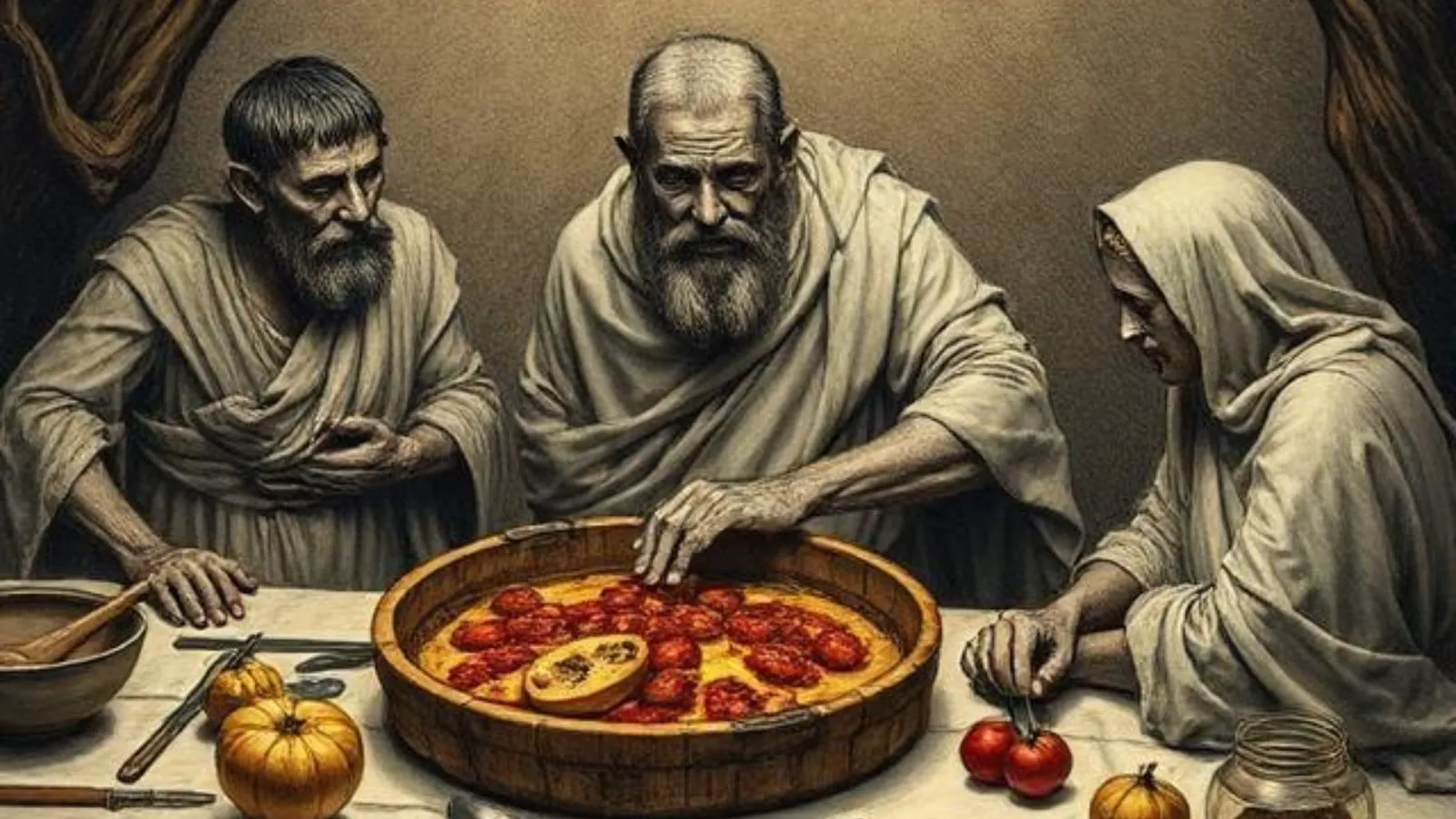
Picture this: You sit down to eat a meal after a long, hard day. One plate turns into two. Then three. Before you know it, you feel sick and a little ashamed.
Most of us have been there. But have you ever wondered if the Bible speaks to that moment? It does and what it says might surprise you.
Gluttony meaning in the Bible goes far deeper than just eating too much food. It touches on our desires, our self-control, and what we place at the center of our lives.
The Bible treats gluttony as a serious spiritual issue not because food is bad, but because losing control over our appetites can pull our hearts away from God.
Gluttony shows up throughout both the Old and New Testaments. God designed food as a gift. He fed His people with manna in the desert. Jesus turned water into wine at a wedding feast. Food was meant to be enjoyed.
But when appetite becomes an idol when we live to eat rather than eat to live something spiritual goes wrong.
Many people think of gluttony as an old-fashioned word. But the struggle it names is completely modern. We live in a culture of more. More comfort. More stuff. The Bible gives us wisdom for exactly this kind of world.
Gluttony in scripture is connected to pride, laziness, and a lack of faith in God’s provision. Understanding it can help us grow in grace, freedom, and transformation. Let’s explore what the Bible says about gluttony meaning in the Bible.
Biblical Meaning of Gluttony in the Bible
The Hebrew and Greek Roots
The word gluttony comes from two root words in the original Bible languages. In Hebrew, the key word is zolel (זֹלֵל), which means to be lavish or to squander. It carries the idea of throwing things away wasting what God has given. In Greek, the New Testament uses gastēr (γαστήρ), which literally means belly or stomach. Another Greek word, phagos (φάγος), means a glutton or one who eats too much.
Both root words point to the same truth: gluttony is not just about food. It is about placing physical appetite above spiritual purpose. When your belly becomes your god, as Paul wrote, your focus shifts away from heaven and toward earth.
First Appearance in the Bible
Gluttony appears early in Israel’s story. One of the clearest early references comes from Deuteronomy 21:20 (NIV):
They shall say to the elders, ‘This son of ours is stubborn and rebellious. He will not obey us. He is a glutton and a drunkard.’
This verse is striking. A rebellious son is described with two words together glutton and drunkard. That pairing is not an accident. The Bible connects gluttony with a pattern of life that refuses discipline and rejects God’s order. This is one of the strongest early warnings about the spiritual significance of gluttony.
Key Bible Verses on Gluttony
Proverbs 23:20-21 (ESV) gives a warm but firm warning:
Be not among drunkards or among gluttonous eaters of meat, for the drunkard and the glutton will come to poverty, and slumber will clothe them with rags.
This verse connects gluttony to a kind of spiritual sleepiness. When we overindulge, we grow lazy not just in body, but in soul.
Philippians 3:18-19 (ESV) is one of the most powerful New Testament warnings:
For many, of whom I have often told you and now tell you even with tears, walk as enemies of the cross of Christ. Their end is destruction, their god is their belly, and they glory in their shame, with minds set on earthly things.
Paul wrote this with tears. That matters. He was not angry he was heartbroken. When people make their physical desires their highest goal, they miss the freedom Christ offers.
A Deeper Warning Meaning
Gluttony in scripture is not simply about food. It represents misplaced worship. When any appetite food, comfort, pleasure takes the place of God, it becomes idolatry. This is the deeper warning the Bible gives us.
Connected Biblical Figure: Esau
Esau is the clearest biblical picture of gluttony’s danger. In Genesis 25:29-34, Esau sold his birthright his spiritual inheritance for a single bowl of lentil stew. He was hungry, yes. But that hunger controlled him so completely that he traded something eternal for something temporary. The Bible says he despised his birthright (Genesis 25:34, ESV). That is what unchecked appetite does it makes eternal things feel small and temporary things feel urgent.
Quick Reference Table
| Aspect | Details |
| Hebrew/Greek Root | Hebrew: zolel (to squander); Greek: gastēr (belly), phagos (glutton) |
| First Biblical Appearance | Deuteronomy 21:20 describing a rebellious, undisciplined son |
| Core Biblical Meaning | Overindulgence in food or desire that replaces devotion to God |
| Key Bible Verses | Proverbs 23:20-21; Philippians 3:18-19; Deuteronomy 21:20 |
| Connected Biblical Figures | Esau (birthright for stew); Israel in the wilderness (Numbers 11) |
| Spiritual Symbolism | Misplaced worship; physical appetite ruling over spiritual purpose |
| Dream/Vision Meaning | May symbolize a warning about excess, a call to fast, or return to dependence on God |
| Faith Lesson | True satisfaction comes from God alone; self-control is a fruit of the Holy Spirit |
Spiritual Significance of Gluttony
What It Means for Christian Life
The spiritual significance of gluttony is not just about calories or portion sizes. It is about the condition of the heart. When we overeat or overindulge, we are often running from something loneliness, anxiety, boredom, grief. Food becomes a comfort that only God was meant to provide.
Self-control is listed as a fruit of the Holy Spirit in Galatians 5:22-23. That means freedom from gluttony is not just willpower it is a work of grace. You do not overcome appetite struggles by trying harder. You overcome them by staying closer to God. When your soul is full, your body is easier to manage.
The great Christian writer C.S. Lewis once wrote: Gluttony need not be caused by greed. The man who cannot resist a second helping at dinner, just as the woman who cannot resist the last chocolate these are slaves to something lower than themselves. That image slavery to something lower is exactly what the Bible warns against.
Personal Reflection Question: Is there any appetite in your life right now food, comfort, entertainment that feels harder to stop than you think it should? What might God be saying to you through that struggle?
Related Biblical Concepts Table
| Concept | Meaning | Key Verse | Lesson |
| Gluttony | Overindulgence that replaces God’s place in your heart | Proverbs 23:20-21 | Self-control is a gift of the Holy Spirit |
| Fasting | Choosing to hunger for God more than for food | Matthew 6:16-17 | Fasting resets our spiritual priorities |
| Temperance | Balance and self-control in all areas of life | Galatians 5:22-23 | Moderation honors God with our bodies |
| Idolatry | Placing anything above God in devotion or desire | Exodus 20:3 | Our hearts are only at rest in God alone |
| Contentment | Finding peace in what God provides, not craving more | Philippians 4:11-12 | Godliness with contentment is great gain |
Dream and Real Life Meaning of Gluttony
What It Might Mean in Dreams
Dreams about eating excessively or feeling unable to stop eating can carry a divine message worth paying attention to. In a peaceful dream, eating with others may simply reflect joy, community, and God’s blessing. But in an anxious or urgent dream one where you feel out of control, sick, or ashamed it may be the Holy Spirit prompting you to examine your relationship with appetite or comfort.
Biblical figures like Joseph and Daniel understood that God speaks through dreams. Daniel himself fasted and prayed before receiving divine messages (Daniel 10:2-3). A dream about gluttony might be a gentle invitation from God to fast, reflect, or return to Him for the comfort you have been seeking elsewhere.
How to Test the Experience
Not every dream is from God but some are. The Bible says to test everything (1 Thessalonians 5:21). Ask yourself: Does this dream point me toward repentance and transformation, or toward fear and shame? God’s messages bring conviction with hope never condemnation without a way forward.
What to Do Next
If a dream or real-life pattern feels like a divine message about excess, start with prayer. Ask God to show you what need is hiding behind the behavior. Then try journaling write down your feelings, your hunger triggers, and what satisfies you most deeply. These simple practices open the door to real change through faith and the work of the Holy Spirit.
Faith Takeaways
- Pray for the fruit of self-control it is not something you produce, but something the Holy Spirit grows in you as you stay close to God.
- Trust that God’s provision is enough. The manna He gave Israel in the desert was exactly what they needed no more, no less. He still provides exactly what you need today.
- Reflect on what you turn to for comfort. When you reach for food, entertainment, or any other excess pause and ask, What am I really hungry for right now?
- Seek God’s presence through fasting at least occasionally. Even a short fast reminds your body that your spirit leads, not the other way around.
- Remember that your body is a temple of the Holy Spirit (1 Corinthians 6:19-20). Honoring God with your body is an act of worship not a rule to follow, but a joy to live out.
FAQs
1. What is the exact gluttony meaning in the Bible?
The gluttony meaning in the Bible refers to the excessive, uncontrolled indulgence in food, drink, or physical comfort. The Bible treats it as a spiritual issue because it places physical appetite above devotion to God. It is listed alongside drunkenness and rebellion as signs of a heart that refuses discipline. The deeper concern is always about what or who rules your heart.
2. Is gluttony a sin according to the Bible?
Yes, the Bible treats gluttony in scripture as sinful but with compassion, not condemnation. Proverbs, Deuteronomy, and Paul’s letters all warn against it. However, the Bible also teaches that grace is available for every struggle. God does not call out sin to shame us He calls it out to set us free.
3. Where does gluttony appear first in the Bible?
The clearest early reference is Deuteronomy 21:20, where a rebellious son is described as a glutton and a drunkard. The pairing is intentional gluttony and rebellion often travel together. When we refuse to submit our appetites to God, we begin to refuse His authority in other areas too.
4. What is the spiritual significance of gluttony for Christians today?
The spiritual significance of gluttony is that it reveals where we seek satisfaction. If we constantly look to food or comfort for peace, we are telling God without meaning to that He is not enough. But the good news is that transformation is possible. As we grow in faith and fill our hearts with God’s Word, our appetite for lesser things naturally decreases.
5. How is gluttony different from simply enjoying food?
Enjoying food is a gift from God! He made flavors, feasts, and table fellowship. The difference between enjoyment and gluttony meaning in the Bible is control. Can you stop? Do you eat to celebrate life, or to escape pain? Eating with gratitude and stopping when satisfied is not gluttony it is stewardship.
6. Did Jesus ever address gluttony directly?
Jesus was actually accused of being a glutton and a drunkard by His critics (Matthew 11:19) which shows how easy it is to misread freedom as excess. Jesus did not avoid meals or celebrations. But He also fasted for 40 days. He modeled both feasting and fasting as spiritual practices. His life shows us that the goal is not restriction it is freedom and faith.
7. How can someone overcome gluttony with the Bible’s help?
Start with honest prayer. Ask God to reveal what you are truly hungry for beneath the surface. Then feed your soul: read scripture daily, worship, fast occasionally, and find community. The Holy Spirit produces self-control in people who stay close to God. You will not beat this with willpower alone but you will grow free as your relationship with God deepens.
Conclusion
The gluttony meaning in the Bible comes down to two core spiritual truths. First, God designed our appetites and He alone can truly satisfy them. Second, when any physical desire controls us more than God does, it becomes a spiritual problem that only grace and transformation can fix.
The good news is that the same God who warns about gluttony also invites us to come and be filled. Jesus said in John 6:35 (NIV): I am the bread of life. Whoever comes to me will never go hungry, and whoever believes in me will never be thirsty.
That is the most beautiful answer to every kind of hunger physical, emotional, spiritual. You were made for more than excess. You were made for the fullness that only God can give. Come to Him today, and let His love be enough.